You know your car’s normal stopping feels better than you might think. The brake pedal has a certain firmness. The car slows at a familiar pace. Then one day, maybe on a downhill road or in traffic, it seems to need a little more room than before.
That extra distance is worth paying attention to. Brakes rarely go from perfect to unsafe overnight. The change tends to build in small ways, through worn pads, aging fluid, tire problems, heat, or parts that are no longer moving the way they should.
Worn Brake Pads Need More Room
Brake pads are designed to wear down, so needing pads is not unusual. The problem starts when they get thin enough to affect stopping feel. Less pad material can mean more heat, more noise, and less confidence when you press the pedal.
Some pads squeal when they get low. Others stay quiet longer than drivers expect. If the car takes longer to stop, or the pedal feels normal but the vehicle does not slow as quickly, the pad thickness should be checked. Waiting until grinding starts can damage the rotors and make the repair more expensive.
Brake Rotors Can Change Stopping Feel
Brake rotors give the pads a surface to grip. When rotors are worn, grooved, rusted, overheated, or uneven, the pads cannot make steady contact. That can create pulsing, shaking, scraping, or a stop that feels less direct than it used to.
Rotors also have minimum thickness limits. If they are too thin, they cannot handle heat properly. A rotor that is past spec should not be reused just because it still looks mostly intact. Brake parts have to work together, and the rotor surface plays a big role in how cleanly the vehicle slows down.
Old Brake Fluid Can Make The Pedal Feel Worse
Brake fluid does a job most drivers never see. It transfers pressure from the pedal to the brakes at each wheel. Over time, brake fluid can absorb moisture, become contaminated, and lose some of its ability to withstand heat.
Old fluid can cause a softer pedal, especially after repeated braking or long downhill runs. Moisture in the fluid can also contribute to corrosion inside brake components. If the pedal feels spongy, lower than normal, or less steady, the fluid condition should be part of the inspection.
Tires Affect How Quickly A Car Stops
Even perfect brakes need good tires. The brakes slow the wheels, but the tires have to grip the road. Worn tread, low pressure, old rubber, uneven wear, or mismatched tires can all increase stopping distance.
Wet roads make tire condition even more important. A tire with shallow tread has less ability to move water out of the way. That can make the car feel like it's sliding or take longer to settle during a stop. If the brakes have been checked but the vehicle still does not stop the way it should, tires deserve a close look, too.
A Sticking Caliper Can Create Uneven Braking
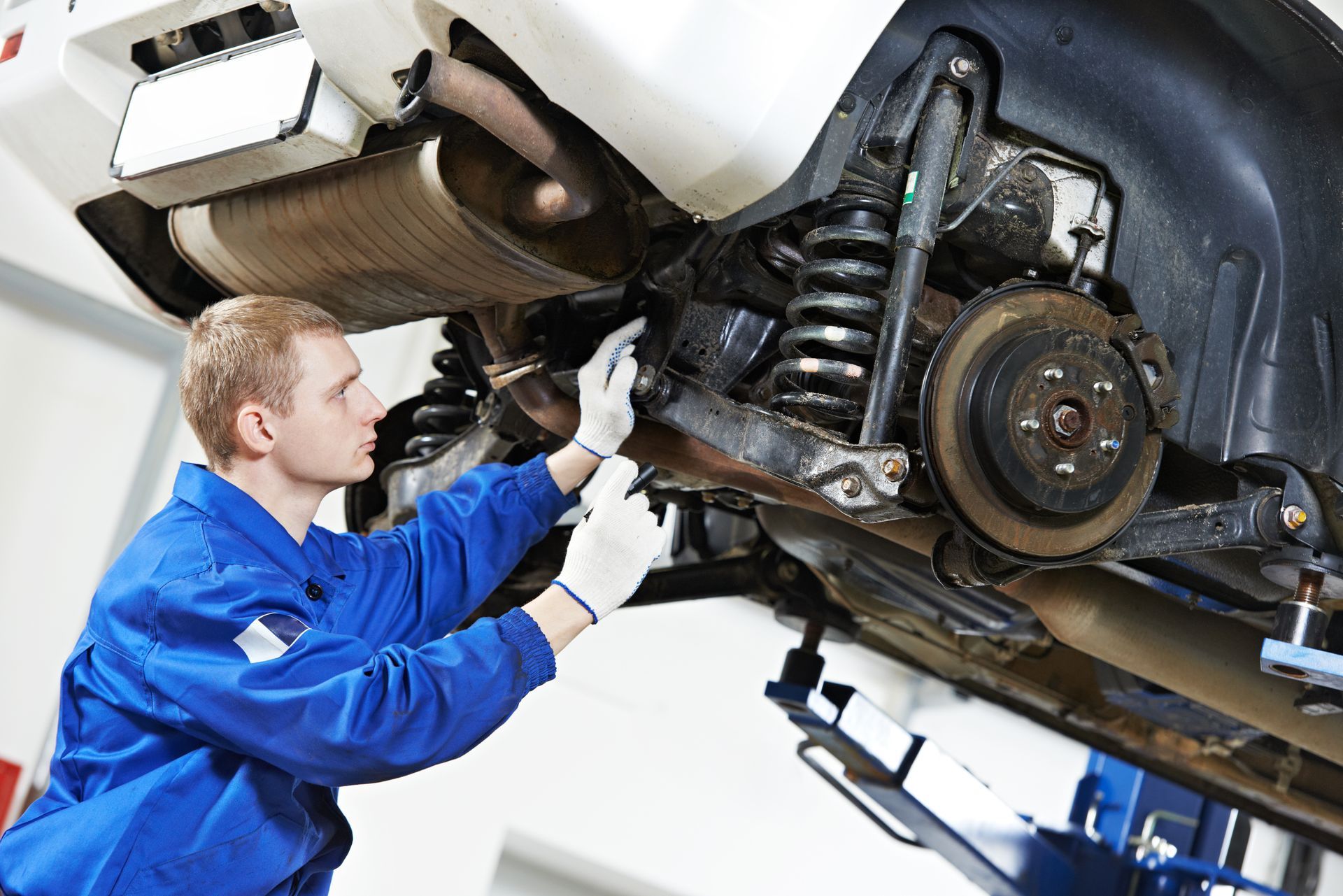
Brake calipers squeeze the pads against the rotors. If a caliper sticks, one brake can drag or fail to apply evenly. Either problem can change how the vehicle stops. You might feel pulling, smell something hot, notice brake dust on one wheel, or see uneven pad wear.
A dragging caliper can overheat pads and rotors. A caliper that does not apply correctly can reduce braking force at that wheel. Neither issue should be ignored. Brake repairs should include checking caliper movement, slides, hardware, hoses, and fluid condition, not just replacing the most visible part.
Suspension And Alignment Can Add To Stopping Problems
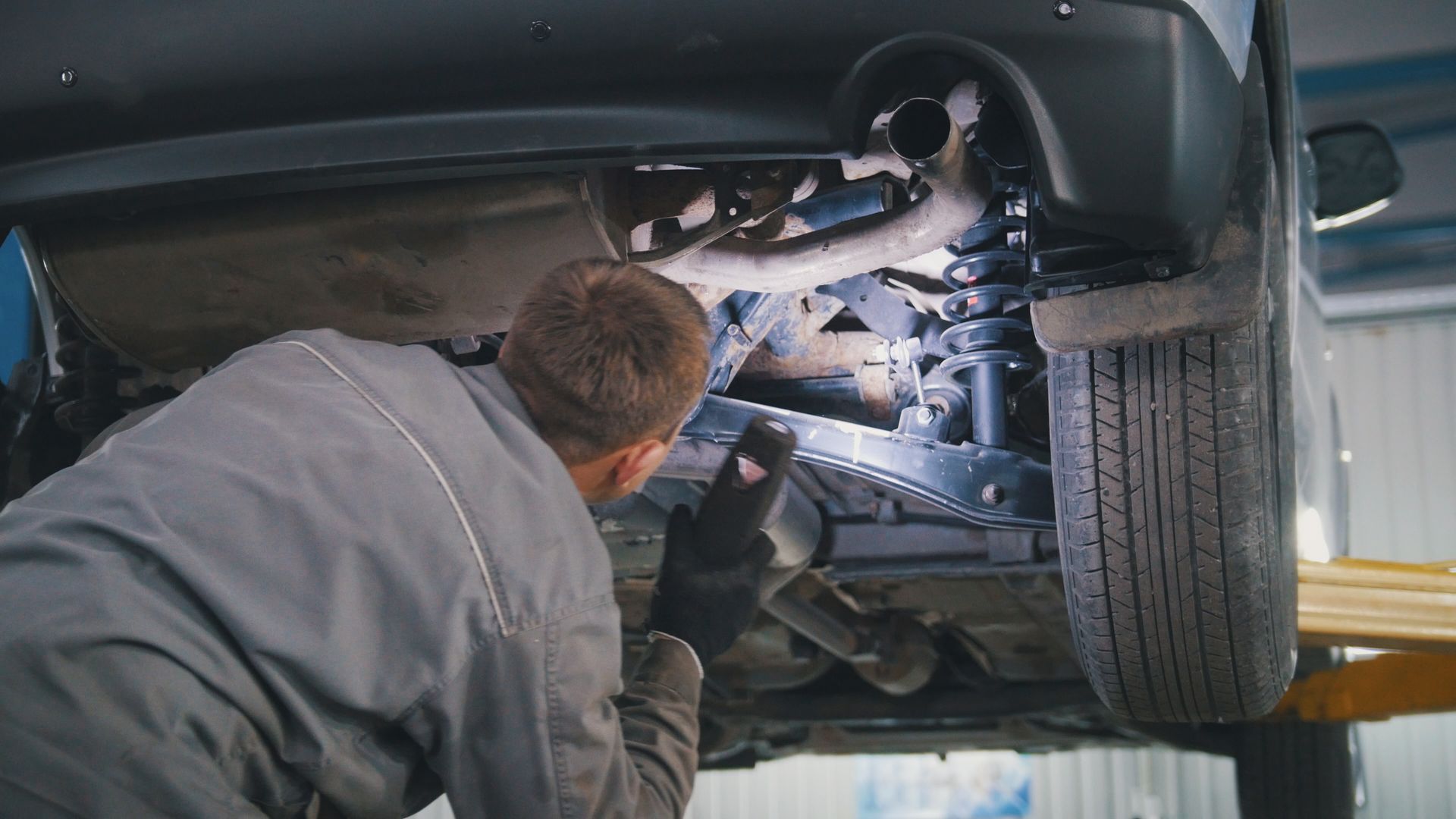
Stopping distance is not only about brake parts. Worn shocks, struts, bushings, ball joints, or steering parts can make the vehicle feel unstable when weight shifts forward during braking. If the tires are not staying planted evenly, the car may take longer to stop or feel less controlled.
Alignment and tire wear can add to the problem. A car that pulls during braking might have brake trouble, but it could also have tire, suspension, or steering issues. Regular maintenance gives technicians a chance to catch these related problems before they show up during a hard stop.
Warning Signs Drivers Should Not Ignore
Some brake problems are obvious. Others feel like small changes until you compare them with how the car used to stop. Watch for signs like these:
- The pedal feels soft or low
- The car takes longer to stop
- The steering wheel shakes while braking
- The vehicle pulls to one side
- You hear grinding or scraping
- You smell something hot near a wheel
- The brake warning light turns on
Any of these signs can point toward worn pads, rotor trouble, fluid issues, caliper problems, tire concerns, or suspension wear. The safest answer is to have the entire system checked rather than waiting for the symptom to get louder.
Get Brake Repair In Colorado, With BG Automotive
If your vehicle takes longer to stop, shakes while braking, pulls to one side, or has a brake pedal that feels different than before, BG Automotive in Colorado can check the brakes, tires, suspension, and related parts.
For brake repair that helps restore safer stopping confidence, contact us to schedule an appointment.