Delaying an oil change might sound like a harmless decision. The car still starts fine, there are no warning lights, and you tell yourself you will handle it next week.
The problem is that oil breaks down quietly, and the engine keeps paying the price while you are busy. So what actually changes inside the engine when the interval keeps getting pushed?
Why Old Oil Turns Into Sludge And Deposits
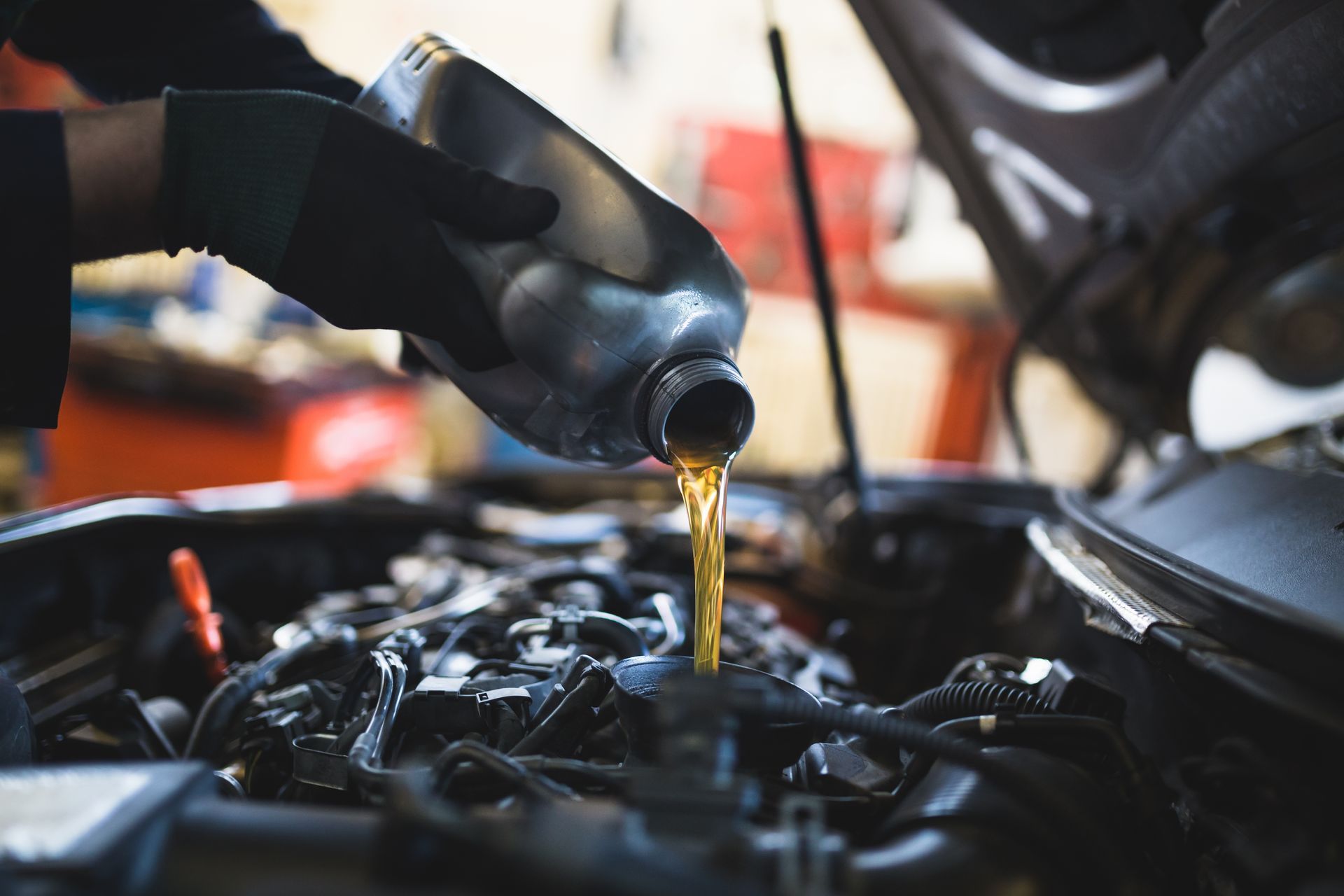
Engine oil carries heat, traps contaminants, and keeps moving parts separated. As it ages, it can lose its ability to hold debris in suspension, and that debris starts sticking to surfaces instead. Over time, varnish and sludge build up in places you cannot see, like oil passages and valve train areas.
Once sludge begins to form, oil flow can become less consistent, especially during cold starts. The engine may still run normally, but it is doing it with oil that is not protecting like it used to. This is one reason delayed oil changes can feel fine until they suddenly do not.
How Wear Starts Before You Hear Anything
Engines do not usually fail with a big announcement. Wear often begins with increased friction in high-contact areas and builds over thousands of miles. When oil is too old or too low, those surfaces can run hotter and lose their protective film more easily.
That extra friction can speed up wear on timing components, camshaft surfaces, and bearings. You might never hear a noise, but the engine can start losing efficiency and tolerance. The longer it goes, the more likely small problems become expensive ones.
Heat, Fuel Dilution, And Shear Break Oil Down Faster
Oil has to deal with heat cycles every time you drive. In stop-and-go traffic or short trips, the engine may not stay hot long enough to burn off moisture and fuel vapors the way it should. That can lead to fuel dilution, which thins the oil and reduces protection under load.
Oil also undergoes mechanical shearing as it moves through tight clearances. Over time, its viscosity can drift away from what the engine needs. When that happens, the engine may feel fine, but internal protection is no longer at its best.
What Your Oil Filter Can and Cannot Save
The oil filter helps, but it is not a magic shield. It captures many particles, yet it cannot remove fuel dilution, moisture, or additive package breakdown. Once the oil itself is worn out, a fresh filter alone cannot restore what the oil used to do.
When the filter becomes restricted, it can also force the system to rely on bypass flow in certain conditions. That means less filtration when the engine needs clean oil the most. This is why stretching intervals too far can create a double hit: old oil and compromised filtration.
Small Leaks And Low Oil Become A Bigger Risk
Delaying oil changes often goes hand in hand with not checking the level. If the engine uses oil or has a small seep, the level can drop lower than you expect, especially over a longer interval. Low oil reduces the safety margin, and the engine becomes less forgiving in heat, long drives, or traffic.
Old oil also tends to spread and cling, which can hide seepage patterns. By the time a spot shows up on the ground, the leak may have been active for a while. Keeping an eye on the level as part of regular maintenance is one of the simplest ways to protect the engine.
Signs You Waited Too Long
Some signs are subtle, and some are obvious. If the oil looks very dark quickly after a change, it can suggest buildup that is being cleaned out, or it can suggest the engine is running dirtier than expected. If you notice ticking on cold starts, oil smells after parking, or the oil light flickers, that is not the moment to push it another week.
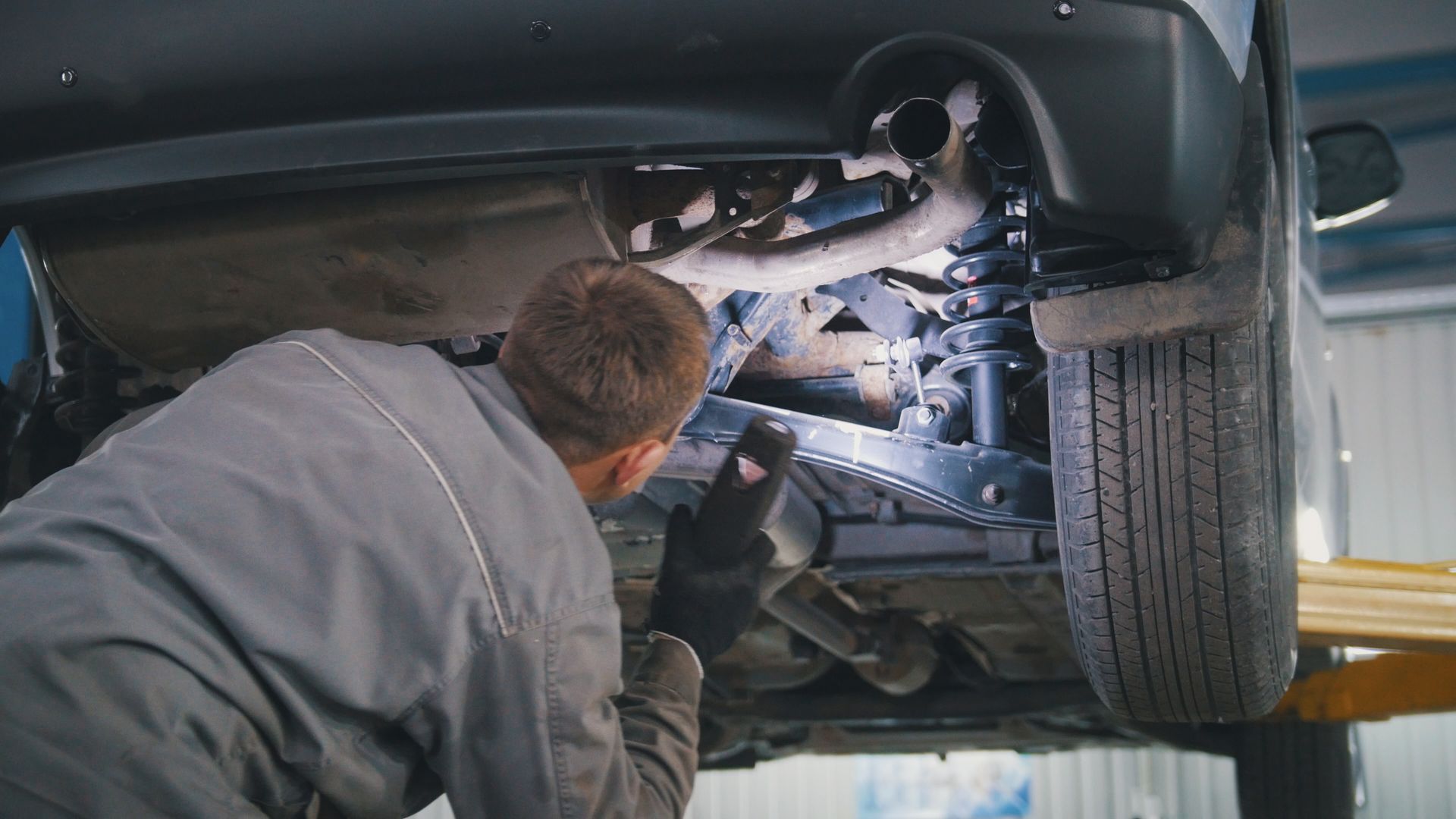
A quick inspection can also reveal issues that oil changes alone will not fix, like leaks, a clogged PCV system, or a filter housing seep that keeps returning. The goal is not just fresh oil, it is a plan that keeps the engine protected month after month.
Get Engine Oil Service In Colorado With BG Automotive
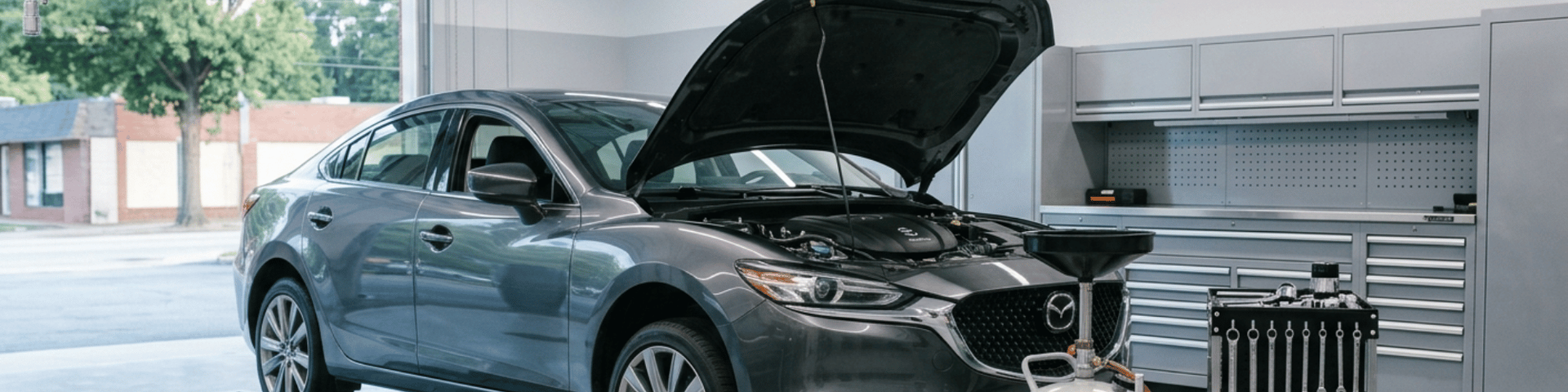
BG Automotive, with multiple locations in Colorado, can help you with oil service, leak or oil consumption checks, and recommend an interval that fits how you drive.
Book your next service and take the risk off the table.
Most FAQs With Short And Clear Answers
How far can I go past my oil change interval?
Answer: Some cars tolerate a small overage, but repeated delays increase sludge and wear risk.
Does synthetic oil mean I can wait longer before oil changes?
Answer: Synthetic oil helps, but it still breaks down with heat, fuel dilution, and time.
Why does my oil look dark even when it is not that old?
Answer: Dark oil can be normal because it is carrying contaminants, but rapid darkening can also suggest buildup or heavier operating conditions.
Can delaying oil changes cause engine knocking?
Answer: It can contribute if the oil pressure and protection drop enough to increase bearing wear, especially if the level gets very low.
Is it okay to top off oil and keep delaying the change?
Answer: Topping off helps protect the level, but it does not replace the worn additive package or remove contaminants.
What driving habits make oil break down faster?
Answer: Short trips, heavy traffic, frequent idling, towing, and driving in hot climates can all shorten effective oil life.
Can old oil cause the check engine light to come on?
Answer: Sometimes. Sludge and pressure issues can affect timing systems and sensors on certain engines.
Why does the engine sound louder when the oil is overdue?
Answer: Oil that has thinned or lost its cushioning can make normal mechanical sounds more noticeable.
Should I change the oil early if I have an oil leak?
Answer: Yes, and the leak should be addressed, since low oil risk increases quickly when a leak is active.
What is the best next step if I am overdue right now?
Answer: Change the oil ASAP, then track the level and schedule service intervals you can actually stick to.