Most car trouble starts with uncertainty. A driver hears a noise, sees a warning light, notices a leak, or feels a change in the way the vehicle runs. That usually leads to questions first, then service later. Since many problems begin in similar ways, the same questions come up again and again.
Getting clear answers early helps you make better decisions and avoid wasting time on the wrong assumptions. It also gives you a better chance of catching a repair while it is still smaller, more focused, and less expensive.
1. What Does A Check Engine Light Mean?
A check engine light means the vehicle has detected a fault in one of its monitored systems. A steady light usually means the issue should be checked soon, while a flashing light is more urgent and often points to an active misfire.
A flashing light should not be ignored because continued driving can damage the catalytic converter. Even a steady light still deserves attention before the fault spreads into a larger repair.
2. Why Is My Car Overheating?
Overheating usually means the cooling system is not controlling engine temperature the way it should. Low coolant, radiator leaks, thermostat problems, water pump trouble, or cooling fan issues are all common causes.
Drivers sometimes keep going because the temperature drops back down for a while. That is risky. An overheating problem can recur quickly and cause major engine damage if left unchecked.
3. Why Is My Car Shaking While Driving?
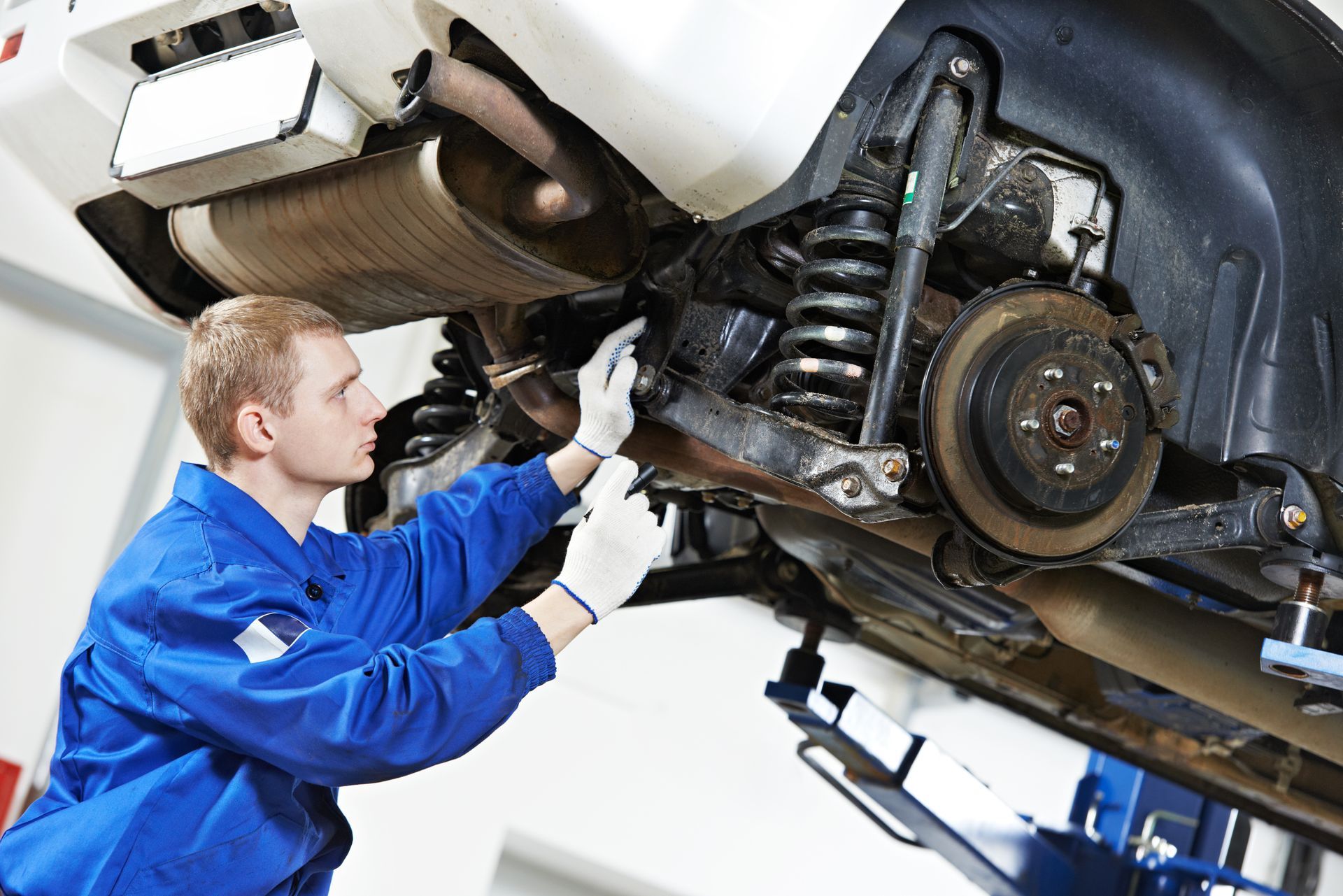
Vehicle shaking can come from tire wear, wheel wear, brake wear, suspension parts, or drivetrain wear. The speed and condition matter because shaking at highway speed points to different causes than shaking during braking or acceleration.
That is why details help. A shake that only shows up while braking suggests something different from one that appears all the time on the freeway.
4. Why Is My Car Leaking Fluid?
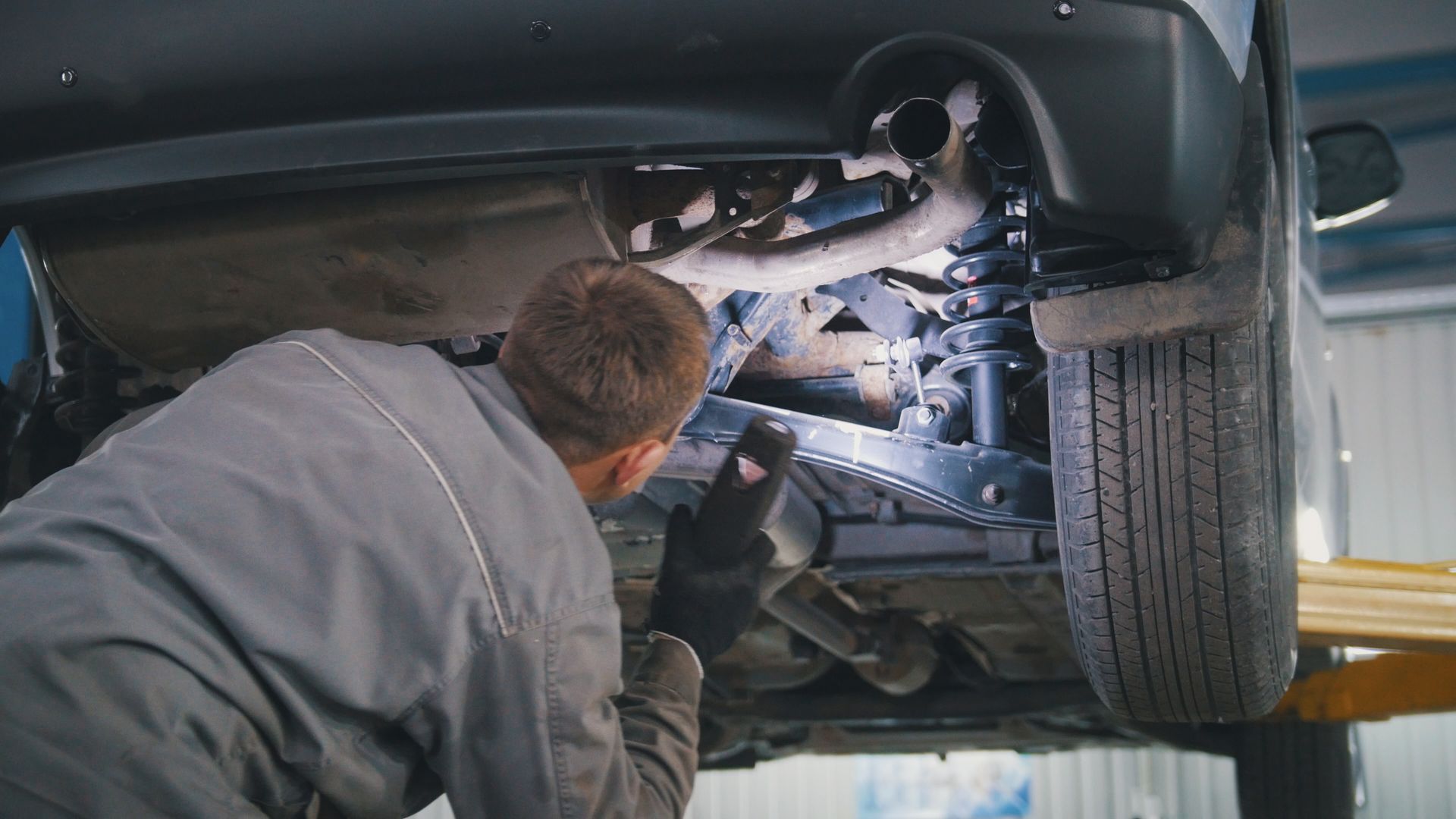
A leak can come from engine oil, coolant, transmission fluid, brake fluid, or power steering fluid. Even if the puddle looks small, fluid loss can lead to wear, overheating, or reduced braking performance.
Not every leak is urgent in the same way, but none should be treated as normal. A quick inspection helps identify the fluid and confirm the severity of the problem.
5. Why Are My Brakes Making Noise?
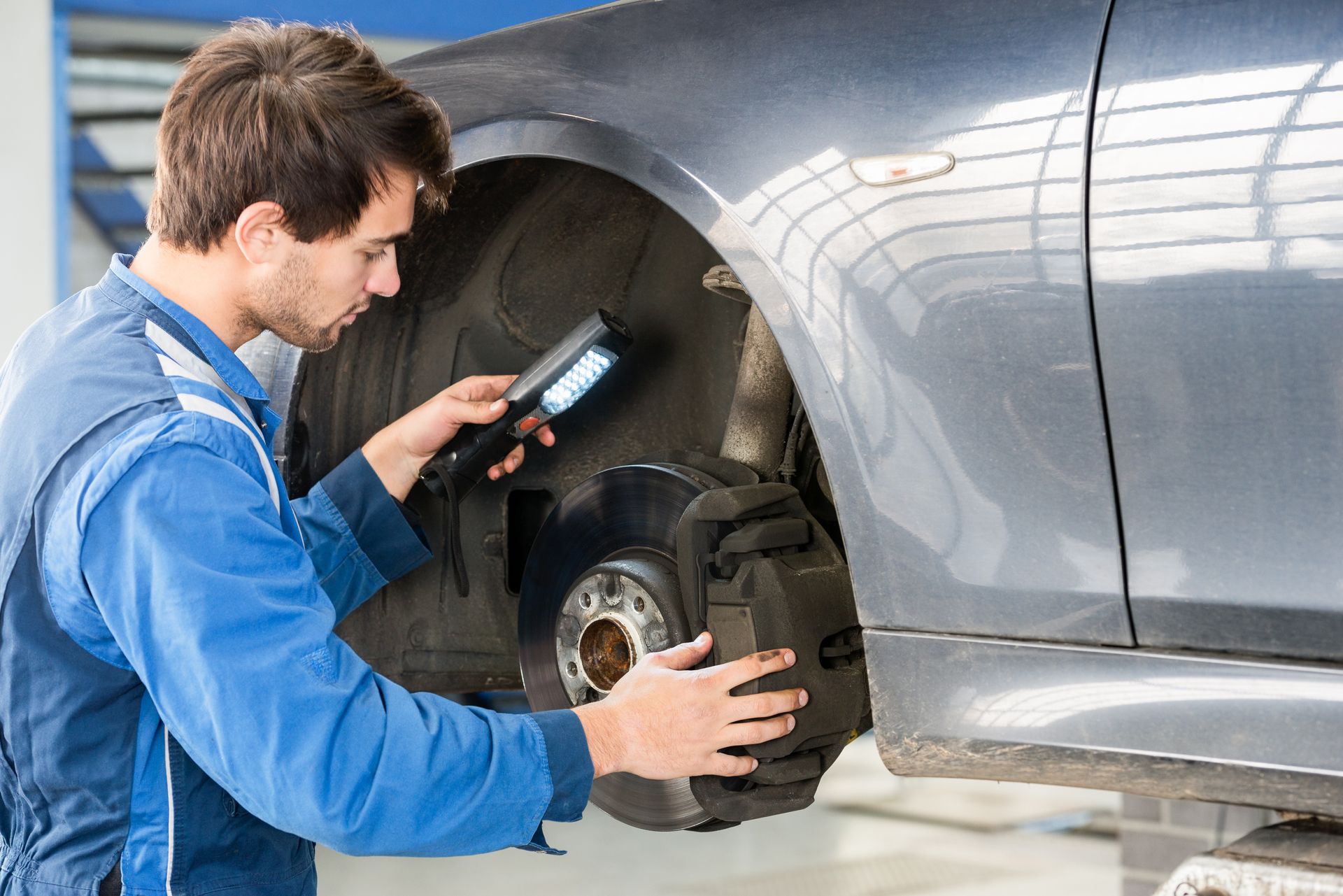
Brake noise usually means the system is asking for attention. Squealing often points to pad wear, while grinding can mean the pads are worn through, and harder components are already being damaged.
Waiting too long turns a simpler brake service into a more expensive repair. That is one reason brake noise should be checked sooner rather than later.
6. Why Does My Car Idle Rough?
A rough idle can come from worn spark plugs, weak ignition coils, vacuum leaks, airflow problems, or fuel delivery issues. The engine may still run fairly well once the car is moving, which is why this symptom often gets delayed.
Rough idle is still a warning sign. Uneven operation puts extra stress on the engine and can lead to more serious issues if the cause remains unresolved.
7. Why Is My Car Using More Gas Than Usual?
Lower fuel economy can come from dirty filters, low tire pressure, dragging brakes, worn ignition parts, or sensor problems. Drivers often assume traffic or weather is the whole reason, but a steady drop in mileage usually points to a change in the vehicle, too.
Fuel economy problems are worth paying attention to because they can be one of the earliest signs that the engine or drivetrain is compensating for something in the background.
8. Why Is My Battery Dying Repeatedly?
A battery that keeps going dead may not be the battery alone. Charging system issues, corroded connections, weak grounds, or electrical drains can all create the same complaint.
That is why swapping the battery is not always the full answer. A proper electrical inspection helps determine whether the problem lies with the battery, the alternator, or another part of the system.
9. Why Is My Transmission Shifting Hard?
Hard shifting can come from worn transmission fluid, control problems, or internal wear. It may feel like hesitation, a jolt between gears, or a delayed response when accelerating.
Transmission issues rarely get cheaper by waiting. If the shifting has changed, that is a good time for service and a closer inspection.
10. Why Does My Car Pull To One Side?
Pulling while driving can come from alignment problems, uneven tire pressure, brake drag, or worn suspension parts. Pulling during braking can especially point toward a brake issue that needs quicker attention.
A vehicle that does not track straight is more than an annoyance. It can also wear tires faster and make the car less predictable to drive.
11. Why Are My Tires Wearing Unevenly?
Uneven tire wear usually points to alignment issues, suspension wear, or inflation problems. The wear pattern matters because it helps show whether the problem is happening at one wheel or across the whole vehicle.
Catching this early helps protect the next set of tires, too. If the cause is not fixed, the replacement tires usually wear the same way.
12. Why Does My Car Make Noise When Turning?
Clicking, popping, groaning, or whining during turns can come from CV joints, steering parts, or suspension components. The type of noise and when it happens help narrow the list.
A turning-related noise should not be brushed off as harmless. It usually means something is wearing and will not improve on its own.
13. How Can I Prevent Expensive Auto Repairs?
The best way is to stay current on regular maintenance and respond early when the car starts acting differently. Many large repairs begin as smaller ones that give some warning first.
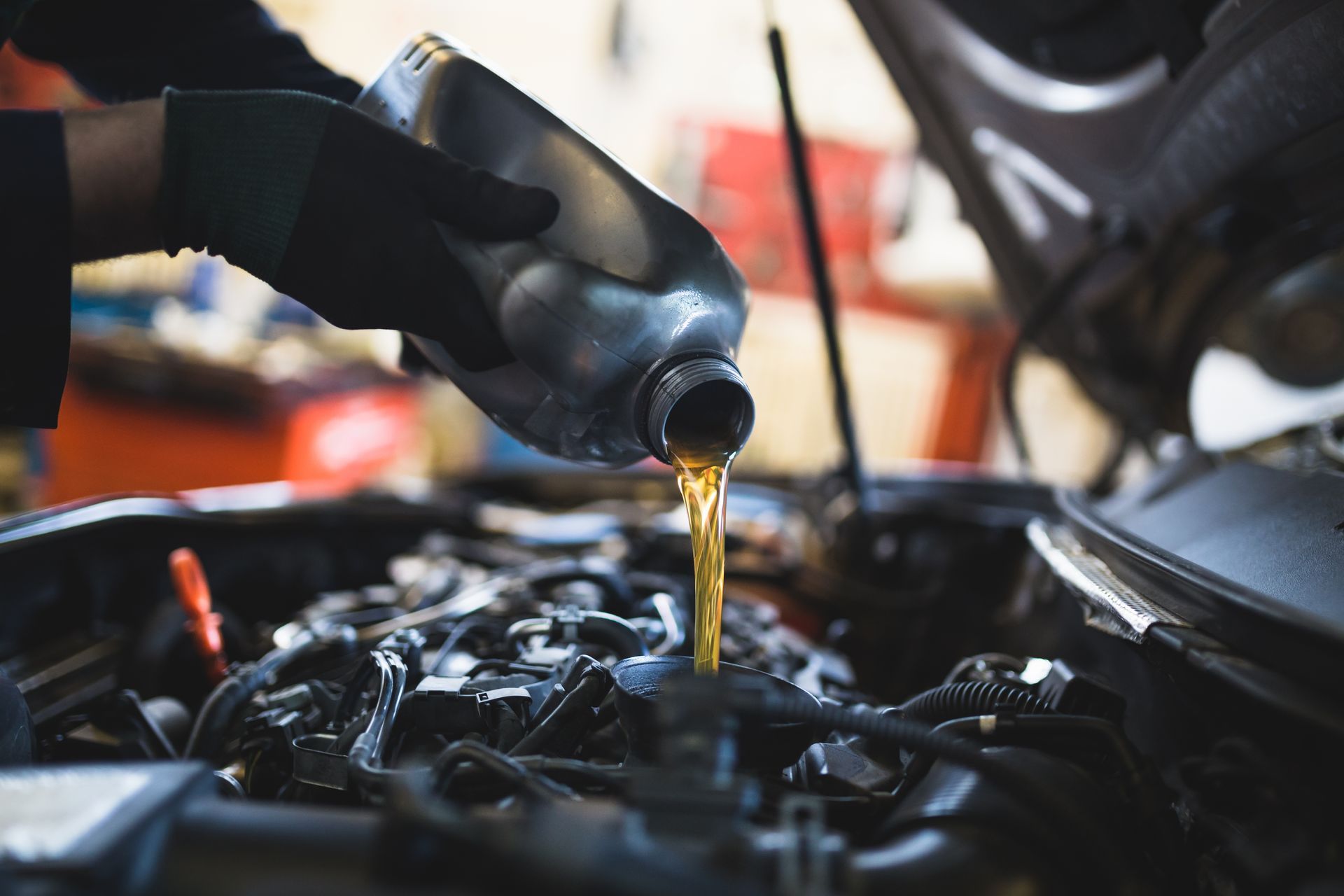
Oil changes, brake inspections, tire service, and fluid checks all play a role here. Preventing expensive repairs usually comes down to timing, not luck.
14. When Should I Schedule A Car Inspection?
You should schedule an inspection when the vehicle shows a warning light, leak, new noise, vibration, or change in performance. You do not need to wait for a breakdown to justify service.
An early inspection helps keep the repair more focused. That usually means less downtime and less money spent overall.
15. What Is The Best Car Maintenance Advice For Avoiding Common Car Problems?
Pay attention to changes, stay on top of regular maintenance, and do not assume a small symptom will stay small. That advice covers more than many drivers realize because it applies to engines, brakes, cooling systems, tires, and electrical components alike.
The vehicle usually gives clues before a major failure. Drivers who act on those clues early tend to avoid the most expensive surprises.
Get Auto Repair In Colorado, With BG Automotive
If your vehicle is showing warning lights, rough performance, leaks, noises, or other signs of trouble, BG Automotive in Colorado can perform an inspection and help you sort out what needs attention first.
Bring it in before a common car problem turns into a much larger repair.