Winter may come and go, but the damage it leaves behind on the roads can linger for months. Snow, ice, and freezing temperatures create the perfect conditions for potholes to form. When water seeps into cracks in the pavement, freezes, expands, and thaws repeatedly, the result is broken asphalt and deep holes that can do serious damage to your vehicle.
If you’ve ever hit a pothole and felt that jarring thud, you know it’s not just uncomfortable. It can have lasting effects on your suspension system. Let’s take a closer look at how winter roads impact your vehicle and what warning signs to watch for.
How Potholes Damage Your Suspension
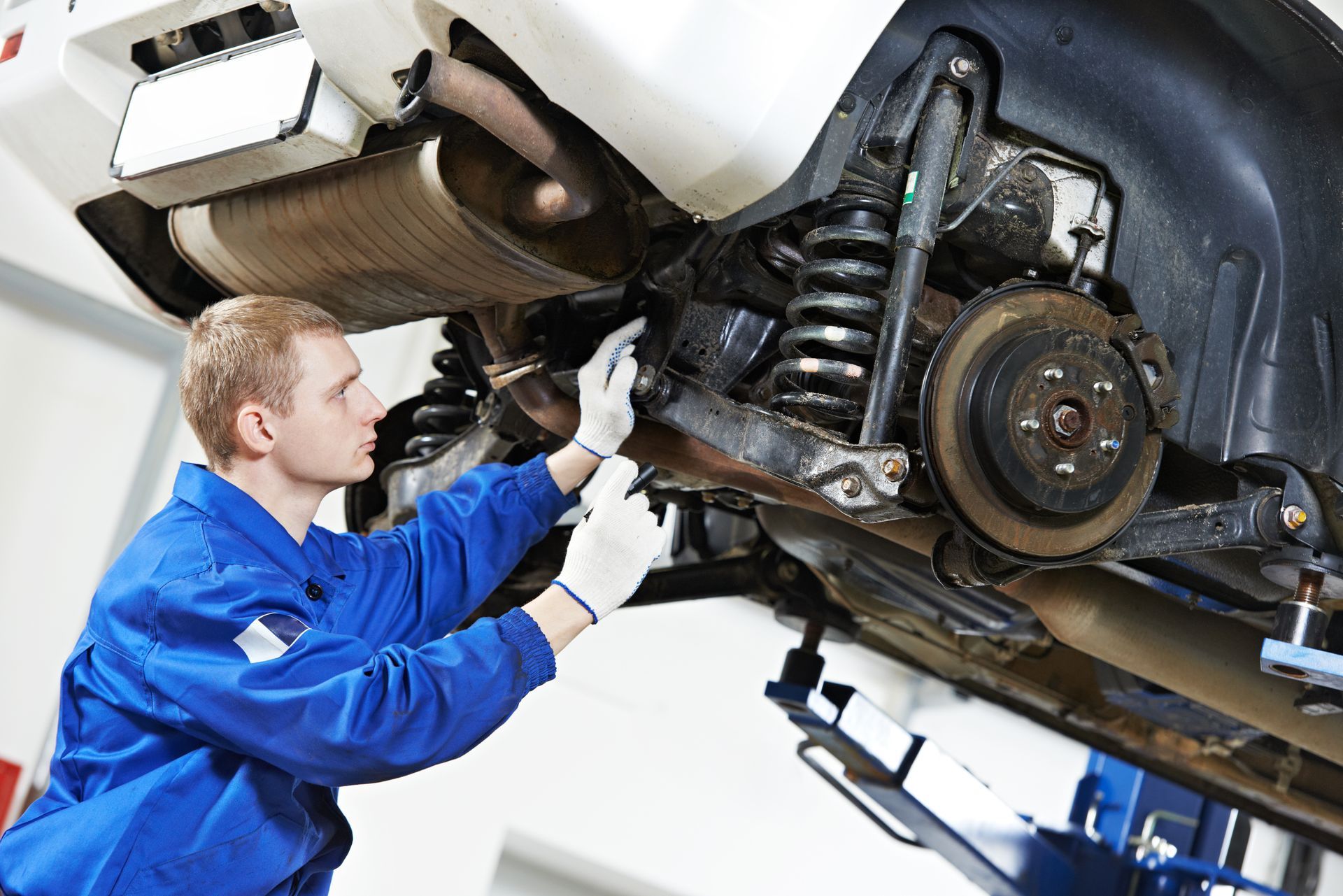
Your suspension system is designed to absorb shocks and keep your tires in contact with the road. It includes components like shocks, struts, control arms, ball joints, and tie rods. When you hit a pothole, especially at higher speeds, the force can stress or bend these parts.
The impact can also throw off your wheel alignment or damage your tires and wheels. Even if you don’t notice immediate issues, repeated exposure to rough roads can gradually wear down suspension components.
Common Suspension Problems Caused by Potholes
Not all pothole damage is immediately obvious. Sometimes symptoms appear gradually as parts continue to wear or loosen.
Watch for these common signs of suspension trouble:
- Vehicle pulling to one side while driving
- Uneven or rapid tire wear
- Steering wheel vibration
- Clunking or knocking noises when driving over bumps
- Excessive bouncing after hitting a bump
If you notice any of these symptoms after hitting a pothole, it’s a good idea to have your vehicle inspected.
Wheel Alignment Issues
One of the most common consequences of hitting potholes is misalignment. Even a single hard impact can knock your wheels out of proper alignment. When this happens, your tires may wear unevenly, and your vehicle may not track straight.
Driving with poor alignment not only reduces tire life but can also affect handling and fuel efficiency. Addressing alignment issues early helps prevent additional suspension wear.
Damage Beyond the Suspension
Potholes don’t just impact suspension components. Tires can develop sidewall bulges or internal damage from sharp impacts. Wheels may bend or crack, especially if you hit a pothole at higher speeds or with low tire pressure.
In severe cases, steering components can also be affected, resulting in reduced control or unusual noises during turns.
Why Winter Roads Make It Worse
Cold weather reduces the flexibility of rubber and metal components. When suspension parts are stiff from low temperatures, they’re more susceptible to damage from sudden impacts. Add in road salt, moisture, and debris, and you have conditions that accelerate wear and corrosion.
Winter road conditions can create a perfect storm of stress for your vehicle’s undercarriage.
Preventing Long-Term Damage
While it’s impossible to avoid every pothole, slowing down when driving on rough roads can reduce the force of impact. Maintaining proper tire pressure also helps cushion minor impacts and protect your wheels.
However, even cautious drivers can experience pothole damage. Regular suspension and alignment inspections are the best way to catch issues before they worsen.
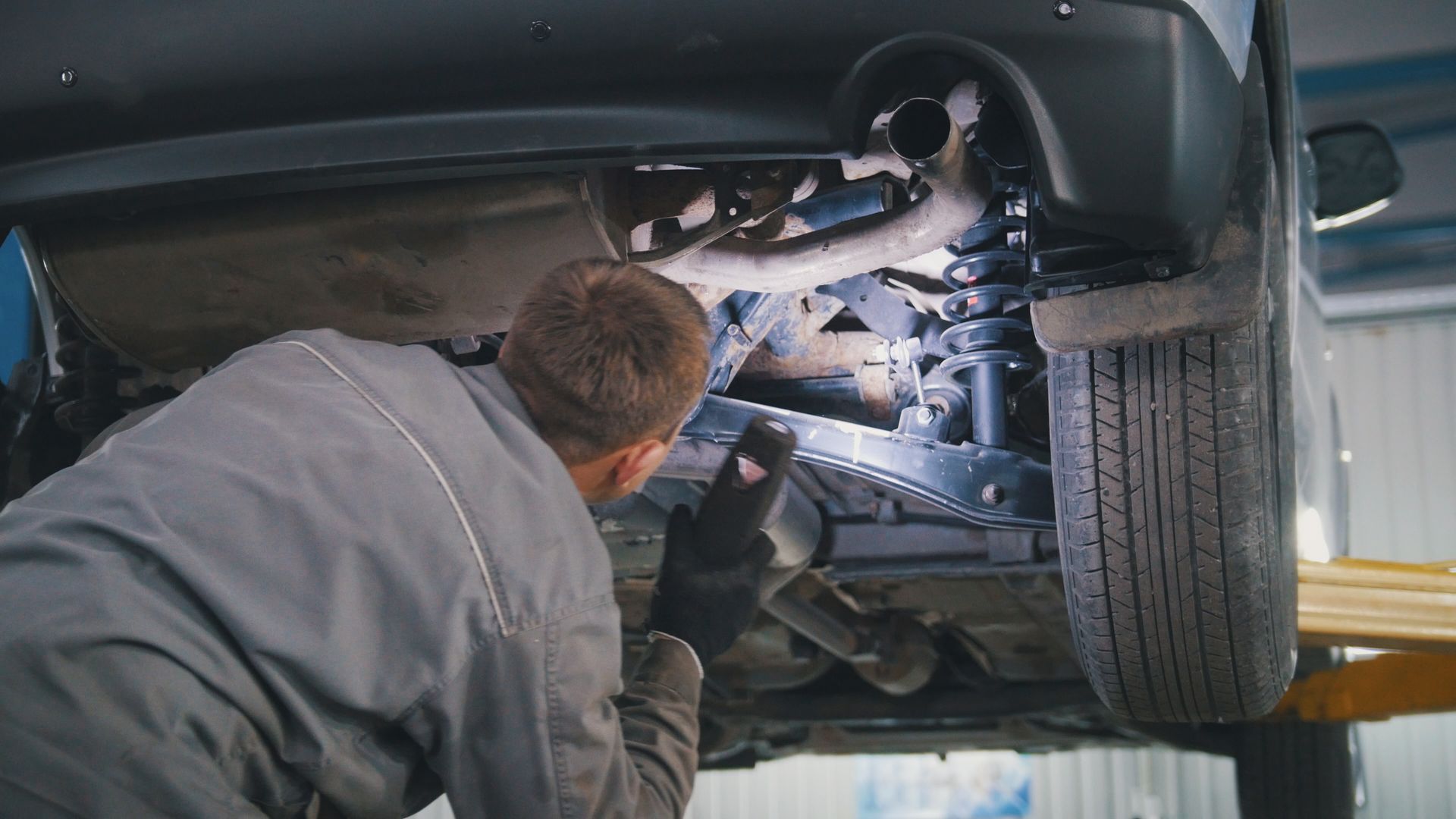
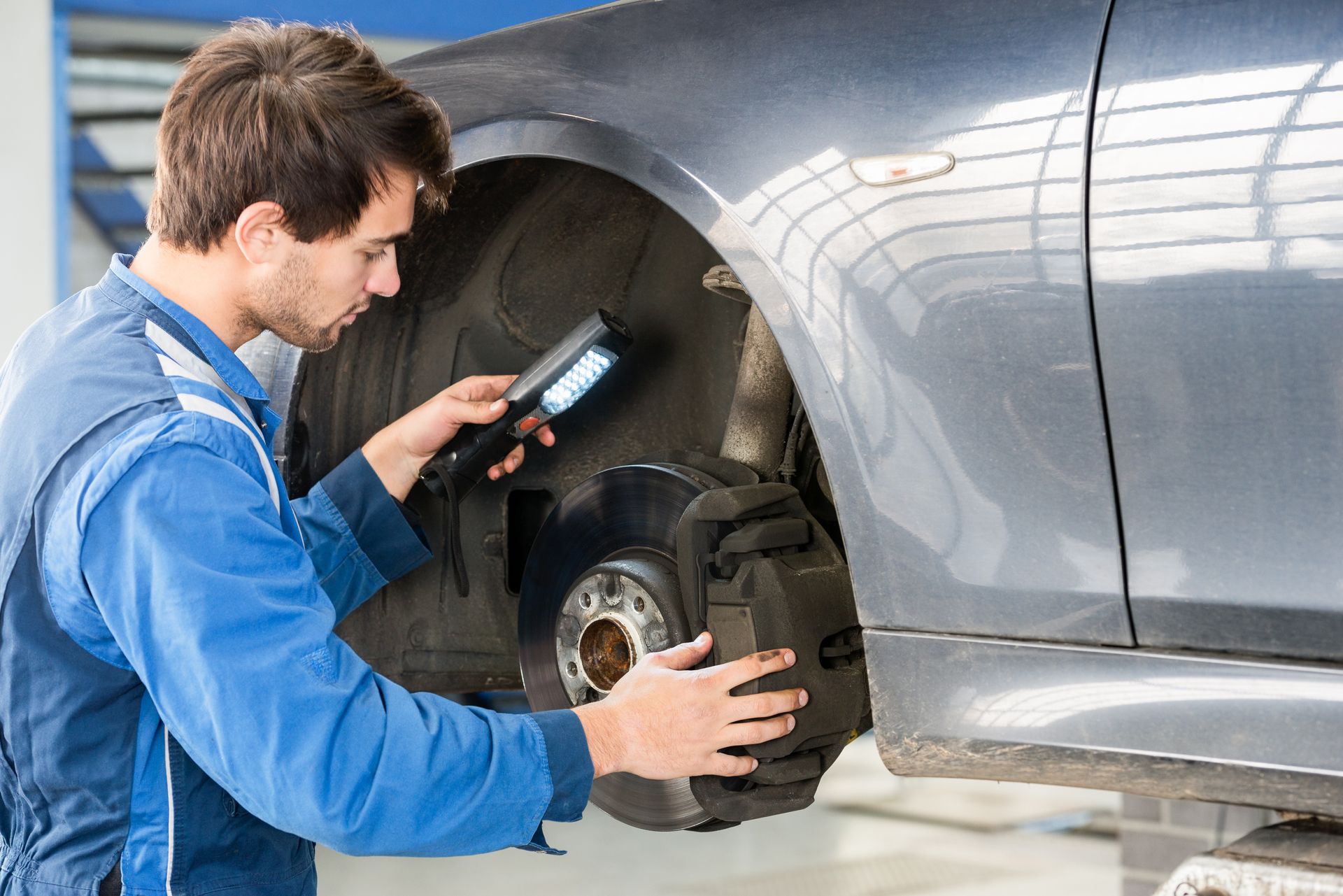
A suspension inspection involves checking shocks, struts, ball joints, bushings, and steering components for wear or damage. Technicians can also assess alignment and look for tire or wheel damage caused by impacts.
Addressing minor issues early helps prevent larger, more expensive repairs later.
Schedule a Suspension Service at BG Automotive
Winter potholes can leave lasting effects on your vehicle long after the snow melts. If you’ve hit a pothole or noticed changes in how your car handles around Fort Collins, Longmont, Loveland, or nearby areas of Colorado, don’t ignore the signs. Contact the trusted auto repair experts at BG Automotive today to schedule a suspension and alignment inspection.