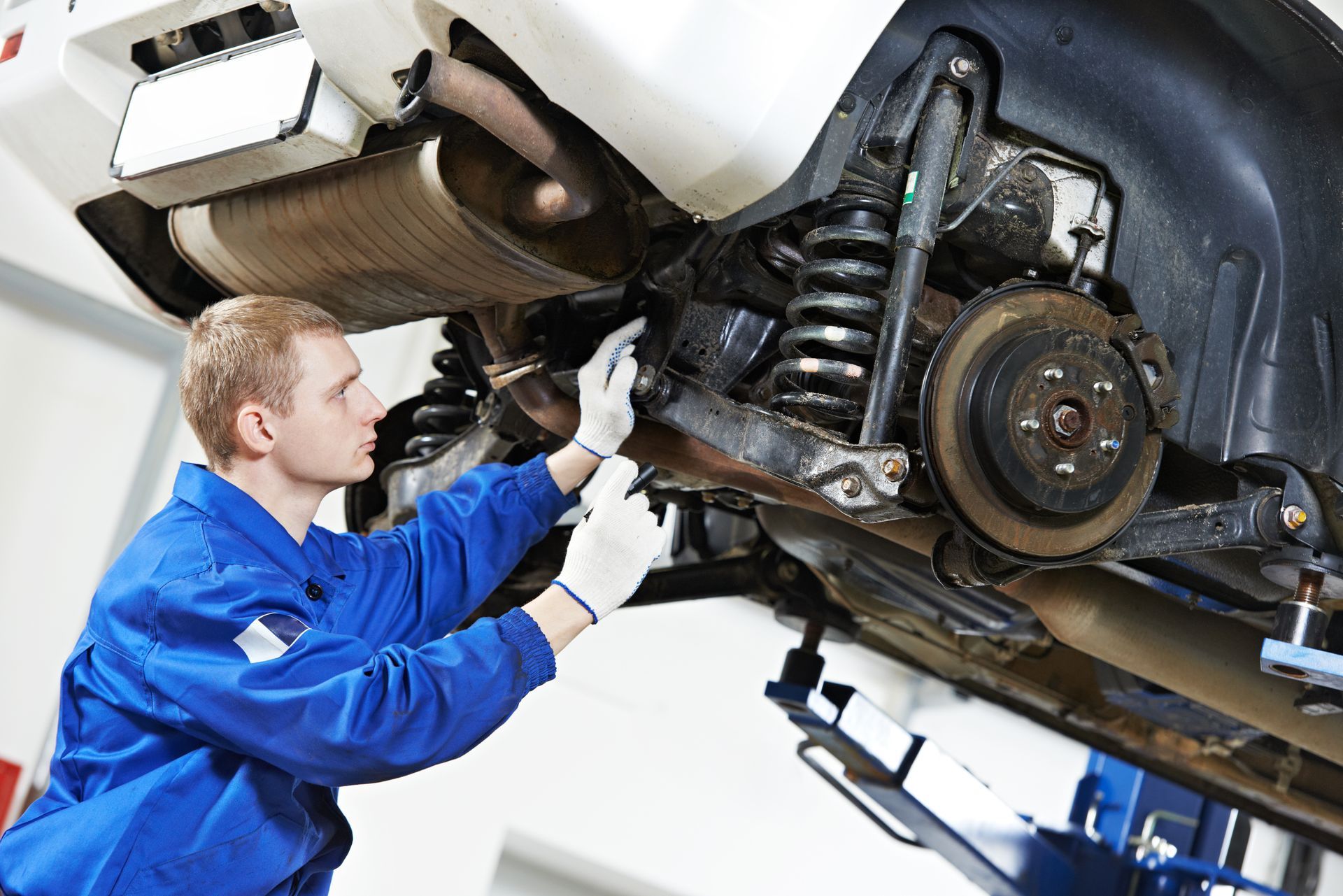
By the end of July, many vehicles have already logged plenty of miles from summer road trips, weekend adventures, and daily commuting. Combined with Northern Colorado's warm temperatures and changing driving conditions, this additional use can strain your vehicle's essential systems. Before summer comes to a close, now is the ideal time to schedule a thorough inspection to help prevent unexpected breakdowns.
A mid-summer vehicle checkup focuses on components that wear most during warmer weather. Checking your fluids, brakes, battery, belts, and hoses can help identify small issues before they become costly repairs, keeping your vehicle reliable for the remainder of the season.
What Should Be Checked During a Mid-Summer Vehicle Inspection?
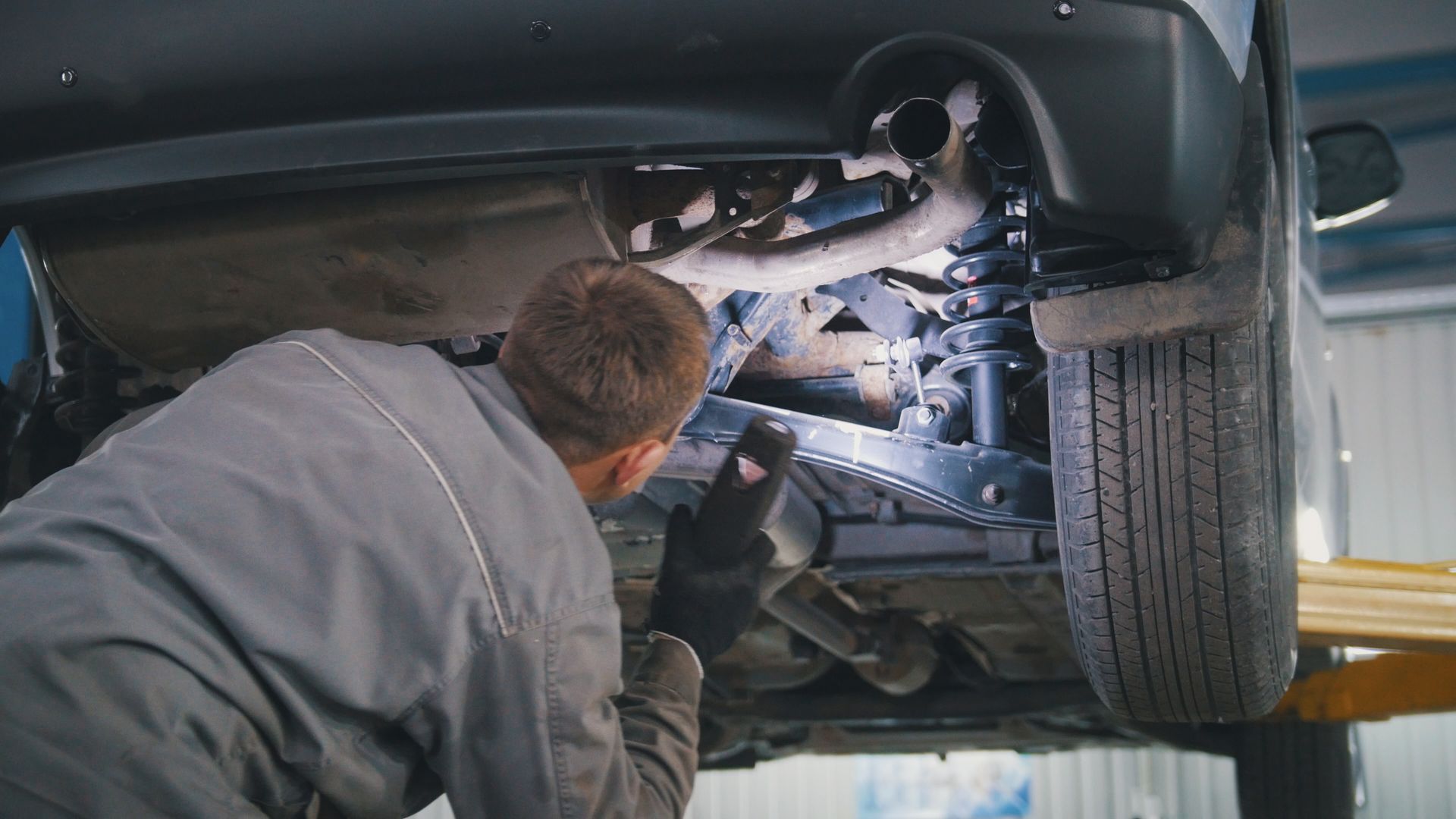
Several key systems deserve attention during a seasonal inspection. Fluids should be at the proper levels and in good condition, brakes should respond properly, and belts and hoses should show no signs of cracking or excessive wear. A battery test is also important because high temperatures can shorten battery life and reduce overall performance.
According to AAA, battery failures are among the leading causes of roadside assistance calls during the summer months, as heat accelerates battery wear and fluid evaporation.
The Most Important Areas to Inspect
While every vehicle is different, these components should be included in every midsummer inspection.
Fluids
Your vehicle relies on several fluids to operate safely and efficiently.
During your inspection, technicians should evaluate:
- Engine oil
- Coolant
- Brake fluid
- Transmission fluid
- Power steering fluid
- Windshield washer fluid
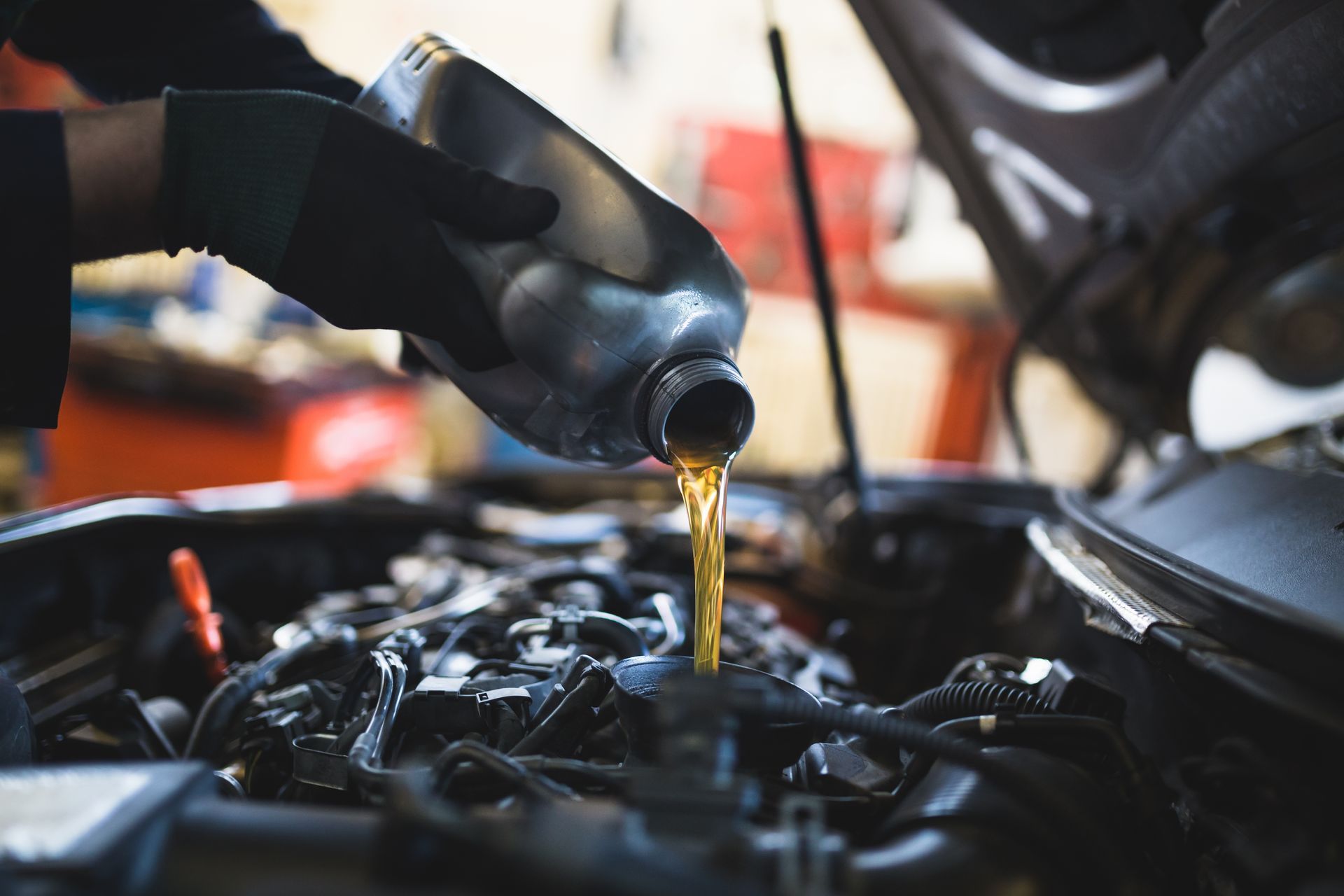
If your vehicle is due for a Mazda oil change, staying on schedule helps protect the engine during hot weather and supports long-term performance.
Brakes
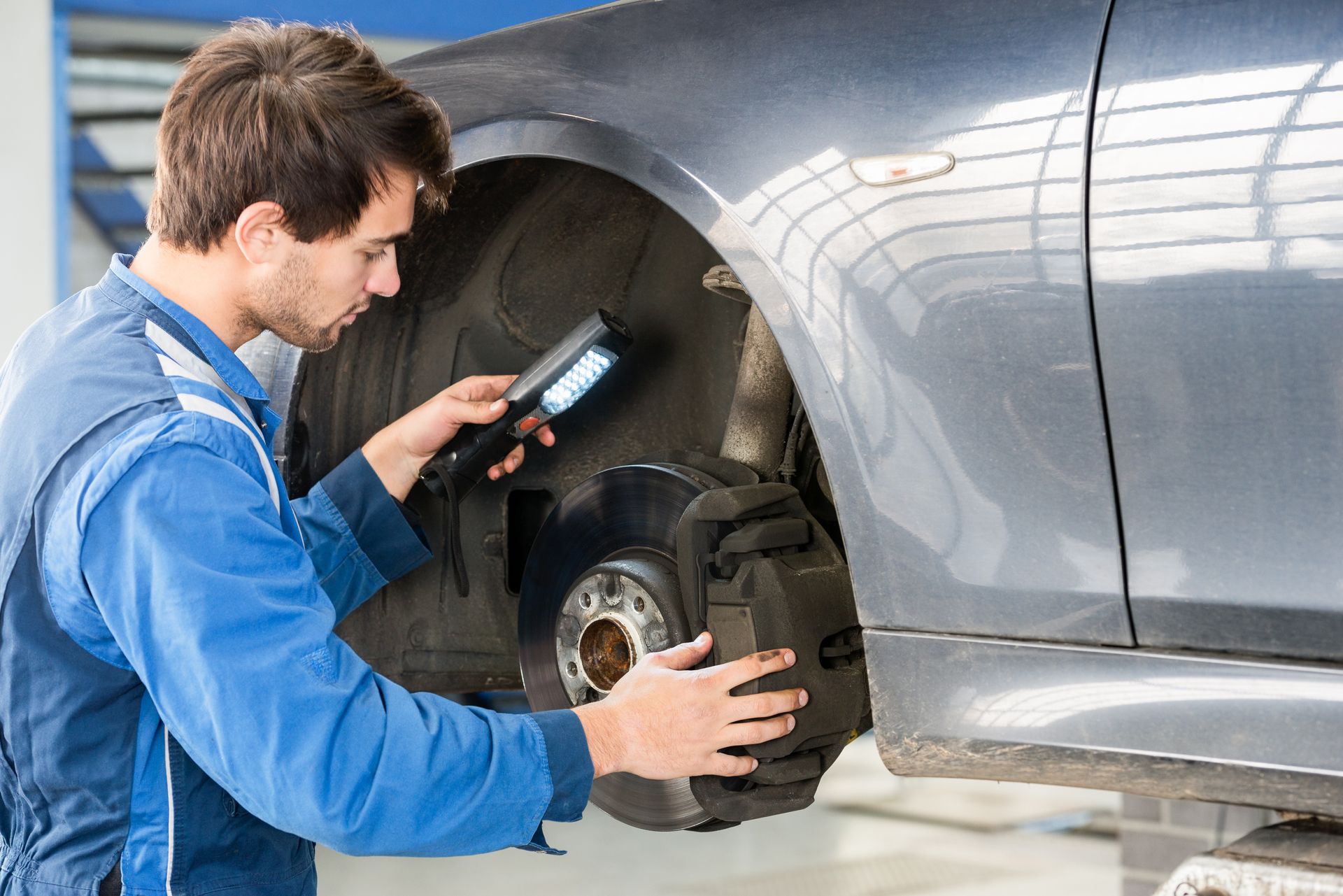
Brake performance is something you never want to take for granted. If you notice a soft brake pedal, unusual noises, or a low brake fluid warning, have your braking system inspected as soon as possible. Low brake fluid can indicate worn brake components or even a leak that should be addressed immediately.
Battery
Heat can be just as demanding on a battery as freezing temperatures. A simple battery test can identify weakening performance before it leaves you stranded.
Belts and Hoses
Rubber components naturally wear over time.
High temperatures can speed up deterioration, making it important to inspect belts and hoses for:
- Cracks
- Fraying
- Bulging
- Soft spots
- Fluid leaks around hose connections
Replacing worn components before they fail is an important part of a preventive maintenance plan.
Keeping Northern Colorado Vehicles Ready for Every Mile
Drivers in Fort Collins, Loveland, and Longmont experience a wide variety of driving conditions year-round. Summer often means heavier traffic, longer highway trips, and mountain driving, all of which place additional demands on your vehicle.
Whether you drive a domestic truck, a European sedan, or need professional GMC service, regular inspections help ensure your vehicle is prepared for changing road conditions. Seasonal maintenance also provides an opportunity to catch developing problems before they interrupt your travel plans.
At BG Automotive, our ASE-Certified technicians use advanced diagnostic equipment and manufacturer-recommended maintenance procedures to help every customer make informed decisions about their vehicle's care. Our team stands behind our work with quality parts and service, giving drivers added confidence every time they visit.
Experience Matters When It Comes to Vehicle Care
Choosing the right repair shop is about more than fixing problems after they occur. It is about finding technicians who understand how to prevent them.
At BG Automotive, we believe honest communication, detailed inspections, and skilled workmanship are the foundation of excellent service. Every inspection includes a careful evaluation of your vehicle's condition so you understand what needs attention now and what can be monitored over time. Our experienced technicians work on virtually every make and model while following manufacturer recommendations to help protect your investment.
Finish Summer with Confidence
A midsummer inspection is one of the simplest ways to keep your vehicle dependable through the remainder of the season and beyond. Addressing worn belts, aging batteries, low fluids, or brake concerns early can help reduce the likelihood of unexpected repairs and improve overall safety.
If your vehicle has been working hard this summer, now is an excellent time to schedule a complete inspection with the team at BG Automotive. We'll help ensure your vehicle is ready for the miles still ahead.
Frequently Asked Questions
How often should I have my vehicle inspected?
A general inspection at least twice a year is recommended, along with following your manufacturer's maintenance schedule for fluids, brakes, and other components.
What causes low brake fluid?
Low brake fluid can result from normal brake pad wear, leaks within the brake system, or damaged brake components. It should always be inspected promptly.
Why is my battery weaker during hot weather?
High temperatures increase the rate of internal chemical reactions and fluid evaporation, which can shorten battery life and reduce performance over time.
When should belts and hoses be replaced?
Replacement intervals vary by vehicle, but belts and hoses should be inspected during every routine service and replaced whenever signs of wear or deterioration are found.
Why are regular fluid checks important?
Vehicle fluids lubricate, cool, clean, and protect critical systems. Maintaining proper fluid levels and condition helps improve reliability and reduces unnecessary wear on major components.