When the traction control light flicks on, it usually feels like the car is trying to tell you something important. Maybe it flashes briefly as you pull away on a snowy morning, or it stays solid on a dry, clear day. Sometimes you feel the car hesitate or the brakes pulse at the same time.
Knowing what that light means and why it turns on helps you decide when it is normal and when it needs attention.
What The Traction Control Light Actually Means
The traction control light is tied to a safety system that watches for wheel spin. When one or more wheels start to slip, the system steps in to regain grip. The light may blink while the system is actively working, or it can stay on solid to tell you there is a problem with the system itself. The exact symbol varies, but it is often a car with squiggly lines under it or something labeled “TCS” or “TRAC”.
A flashing light during a quick slip on ice or gravel is usually normal. The system noticed a problem, fixed it, and let you know it was busy for a second. A solid light that stays on almost all the time means the system has turned itself off because it detected a fault. That is when a technician should get involved.
How Traction Control Keeps Your Car Stable
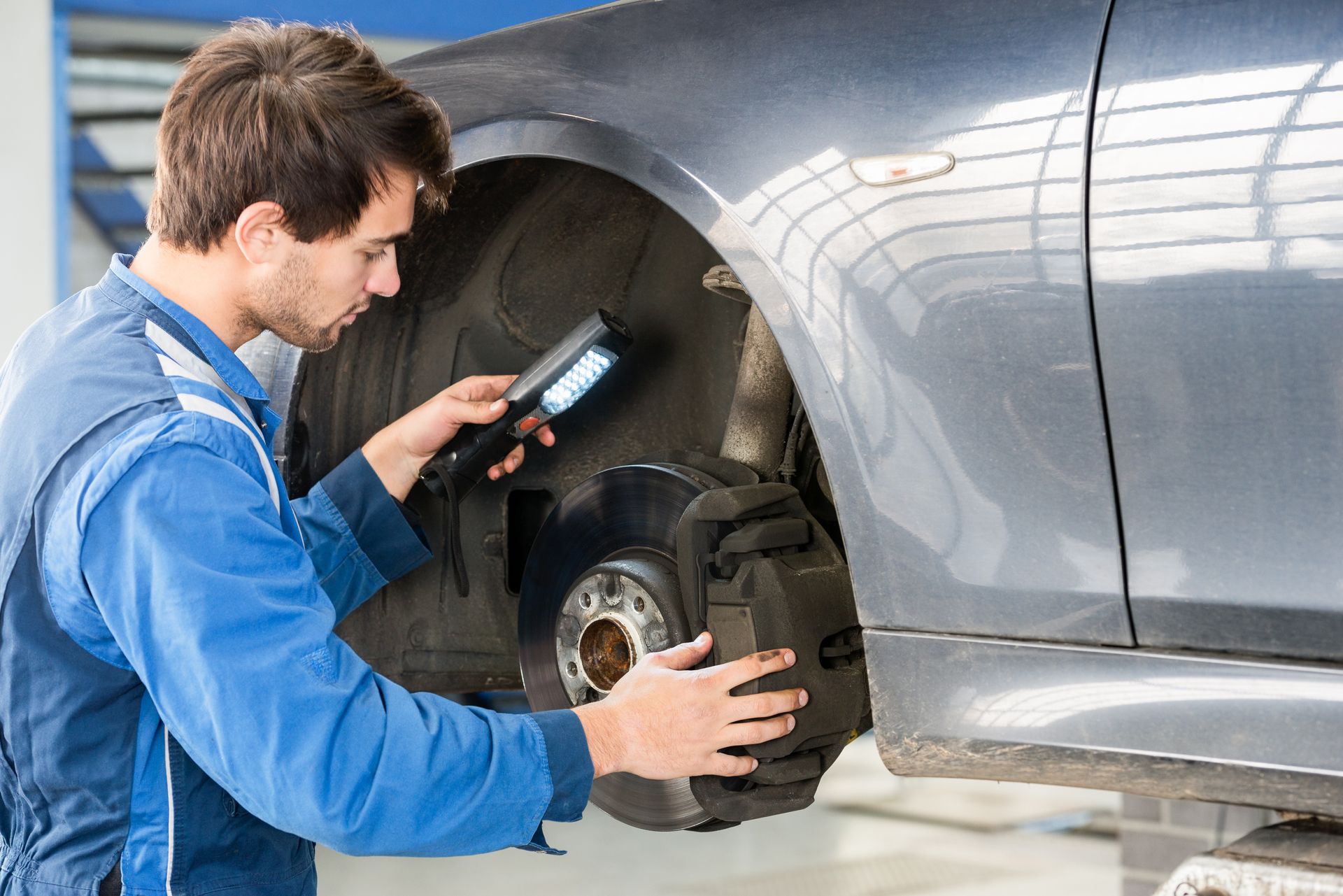
Traction control works by using wheel speed sensors that are part of the ABS (anti-lock braking) system. Those sensors measure how fast each wheel is turning. When the system sees one wheel spinning faster than the others, it assumes that the tire has lost grip. It can then reduce engine power, apply the brake to that wheel, or both, to help it catch again.
On slippery roads, this can keep the car straighter and make it easier to pull away from a stop. In corners, it helps reduce the chance of a sudden spin when you get on the throttle. From the service side, we like to remind drivers that traction control does not create grip out of thin air. It just manages the grip your tires already have. Worn tires or very slick conditions can still overwhelm the system.
Common Reasons Your Traction Control Light Comes On
The list of causes ranges from simple to more involved. Some of the most common include:
- Slippery road conditions: The system is working as designed and flashes while it makes corrections.
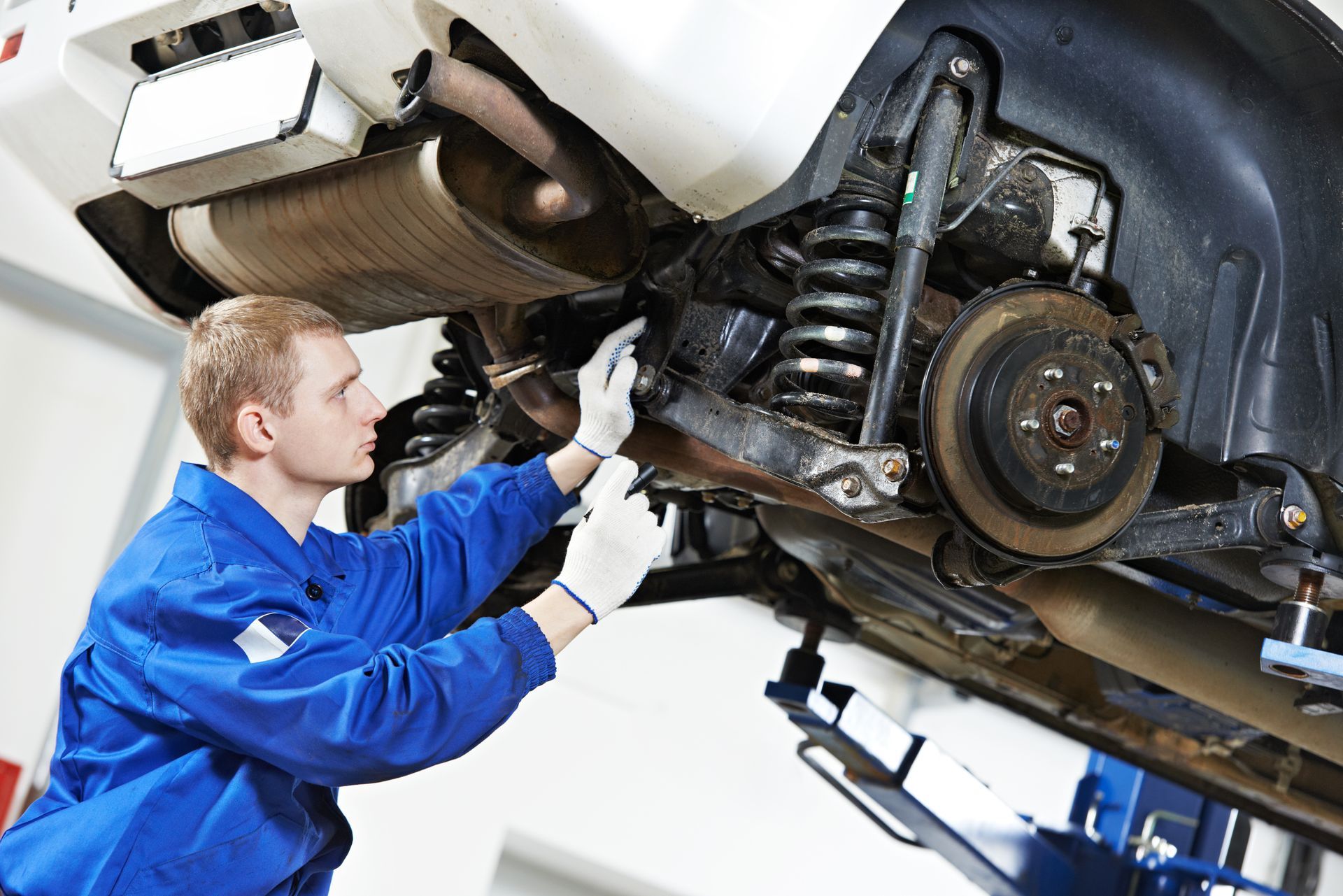
- Dirty or damaged wheel speed sensors: Rust, debris, or wiring problems can confuse the system.
- Failed ABS or traction control module: The “brain” that runs the system can develop internal faults.
- Different tire sizes or badly mismatched tires: The system sees odd wheel speeds and assumes there is a problem.
- Stuck buttons or driver-assist settings: On some vehicles, traction control can be switched off accidentally.
In some cases, we find more than one issue at the same time, such as a worn sensor and a low tire. That is why a proper inspection is worth more than guessing at one part.
When the Traction Control Light Is a Bigger Warning
It helps to pay attention to how and when the light appears. If it only flashes briefly during hard acceleration on snow or gravel, that is usually normal. If it comes on solid while you are driving on dry, straight roads, that points more toward a fault in the system.
You should be more concerned if the traction control light shows up along with other warnings, such as the ABS light, brake warning, or a check engine light. That combination can mean shared sensors or modules are having trouble. In some vehicles, a serious engine or transmission problem can also limit power and trigger traction or stability warnings as a side effect.
Owner Mistakes to Avoid with a Traction Control Warning
When that light shows up, a few common reactions can make things worse:
- Ignoring a solid traction control and ABS light together for months
- Installing odd tire sizes or mixing very worn tires with new ones on the same axle
- Clearing codes without fixing the cause, which hides useful information for the next visit
- Assuming the system can always “save” you and driving more aggressively in bad weather
We have seen drivers spend extra money on sensors and modules only to find out the real problem started with mismatched tires. Checking the basics before spending big is always smart.
Simple Checks Before You Visit a Shop
There are a few easy things you can look at yourself, as long as you stay safe and do not take anything apart you are not comfortable with:
- Look at all four tires for very uneven wear, low tread, or obviously different sizes.
- Check that the traction control or stability control button has not been pressed accidentally.
- Notice whether the light flashes only on slippery spots or stays on constantly.
- Pay attention to any pulsing in the brake pedal or unusual noises when the light is active.
When you share those details, it helps a technician narrow down where to start. As technicians, we appreciate when drivers can describe when the light appears and what the car feels like at the time.
Get Traction Control System Help in Fort Collins, CO with BG Automotive
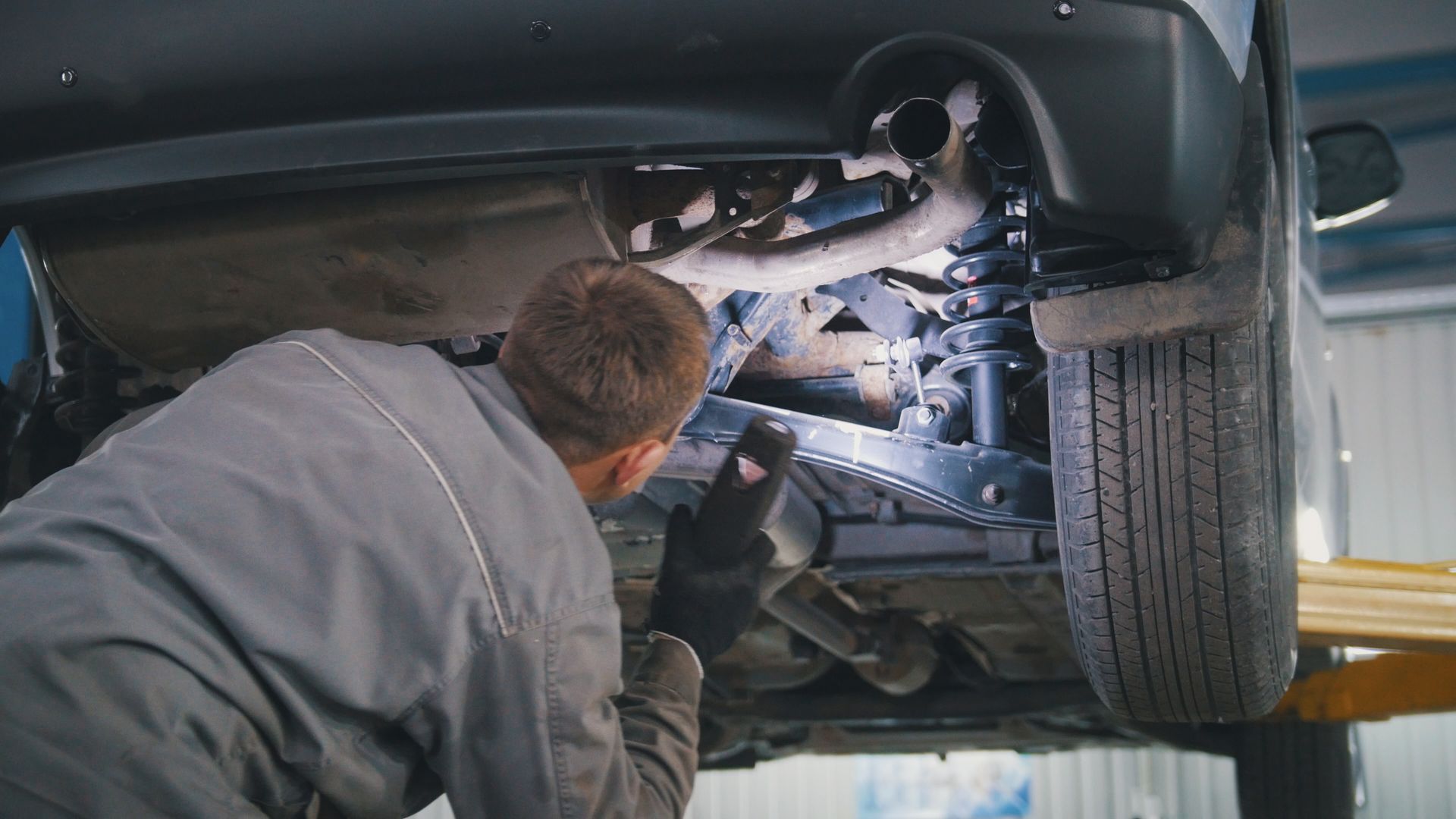
If your traction control light is staying on, coming on more often, or showing up along with other warnings, this is a good time to have it checked. We can scan for stored codes, inspect wheel speed sensors, verify tire fitment, and test the ABS and traction modules so you know exactly what is going on. We want your vehicle to stay stable and predictable, especially when Colorado roads turn slick.
Schedule traction control system service with BG Automotive in Fort Collins, CO, and we will help keep that warning light from becoming a bigger problem.
- Fort Collins, CO 80524
- Fort Collins, CO 80524
- Loveland, CO 80537
- Loveland, CO 80538
- Longmont, CO 80501