What Are The Most Common Subaru Problems And How To Prevent Them

November 28, 2025

Subarus earn loyal fans for traction and practicality, yet a few patterns show up as miles add on. Knowing the usual trouble spots helps you prevent costly repairs and keep that planted, confident feel in every season.


Here are the issues we see most often in Colorado, along with simple habits that keep them from turning into bigger problems.


1. Head Gasket Seepage On Older EJ Engines


Many older models with EJ engines develop external coolant or oil seepage at the head gaskets. You may notice a sweet smell after parking, damp edges along the gasket line, or a slow coolant drop without obvious puddles. Preventive steps include regular coolant service with the correct formula, a healthy radiator cap, and addressing small leaks elsewhere to prevent the system from running low.


If seepage appears, early repair with proper machine checks keeps the engine happy for the long run.


2. CVT Heat And Fluid Condition In Mountain Driving


Subaru CVTs handle daily use well, but long climbs and high temperatures can stress the fluid. Early hints include a brief shudder when taking off on a hill, a flare in rpm without matching road speed, or a temperature warning after a hard ascent. Keeping the transmission fluid fresh on schedule, verifying the cooler is clean, and avoiding heavy throttle with overpacked cargo on steep grades preserves smoothness.


If you tow or travel mountain passes often, ask for a fluid health check during routine service.


3. Oil Consumption On Certain FB Engines


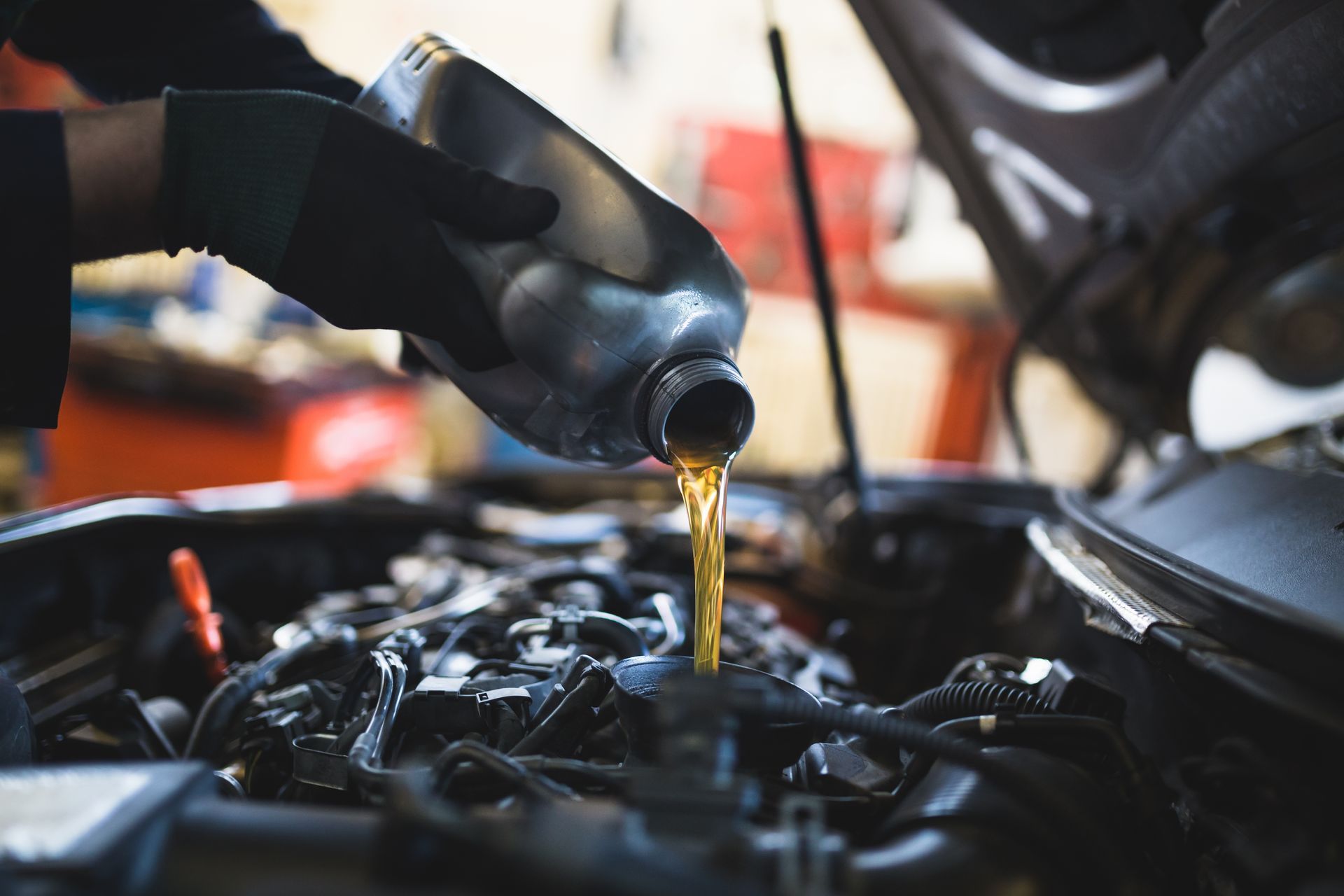
Some FB engines can use oil between changes. The first clue is a low mark on the dipstick before the interval ends or a light tap at cold start that improves warmth. Checking level every month, especially before road trips, is an easy habit that protects the engine.


Using the exact oil spec, keeping intervals realistic for short-trip driving, and addressing minor leaks around the valve covers or oil cooler gasket help stabilize consumption.


4. Wheel Bearings, Strut Mounts, And Bushing Wear


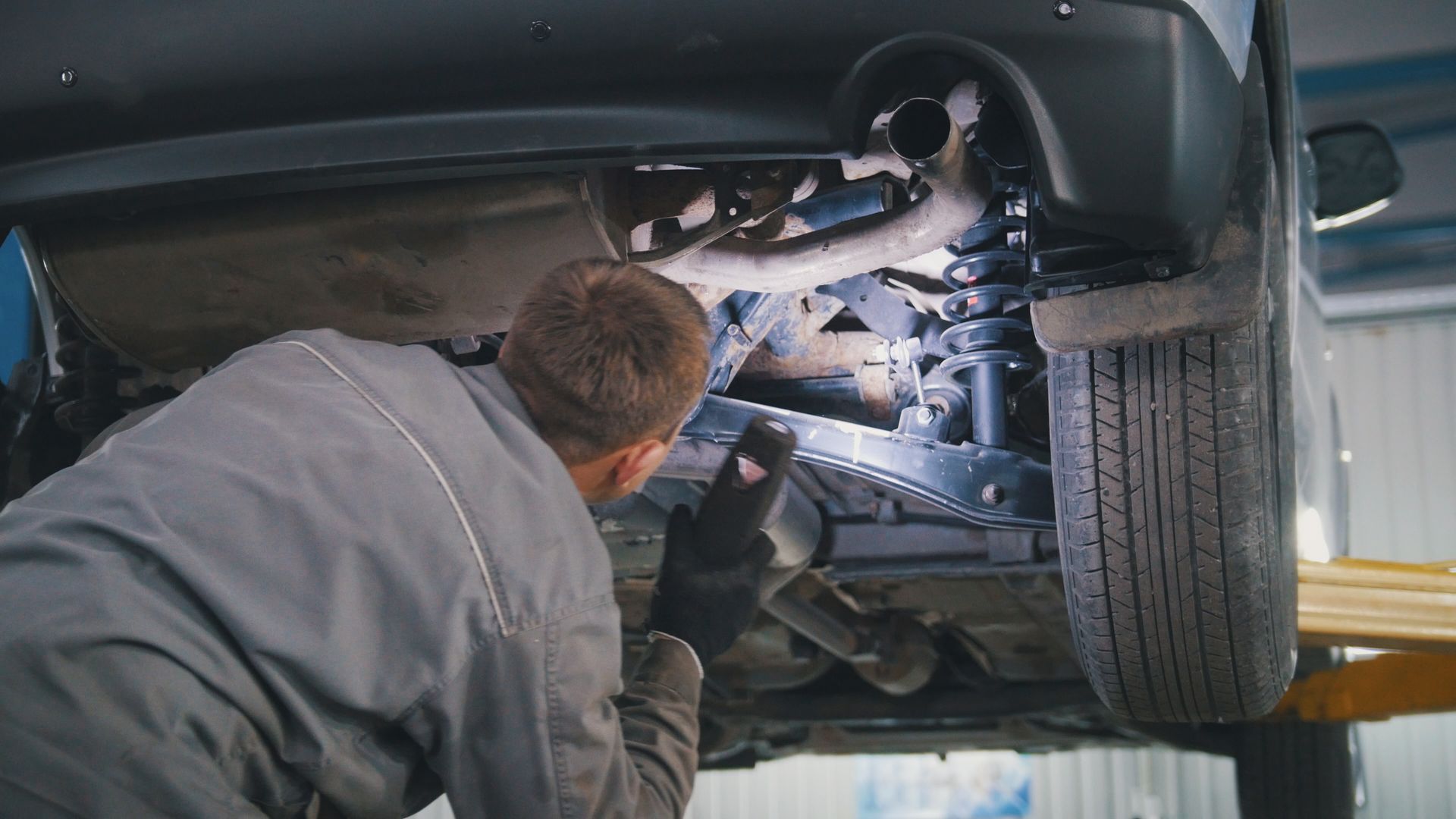
Colorado roads and winter grit are tough on rolling parts and rubber. A steady hum that grows with speed often points to a front or rear hub bearing. Clunks over small bumps or a car that never quite tracks straight suggest strut mount or control arm bushing wear.


Rotating tires on time, keeping pressures set to the door sticker, and inspecting suspension during each brake service catch these items before they chew up tires or make highway drives tiring.


5. Symmetrical AWD Care: Tires And Differential Fluids


Subaru AWD expects all four tires to be very close in circumference. Mismatched tread depth can stress the center coupling and rear differential. Replace tires in full sets when possible, or shave a new tire to match tread depth if only one was damaged. Keep front, rear, and center differential fluids on schedule, and investigate binding or hopping during tight parking maneuvers.


Small fluid services here prevent expensive driveline work later.


6. Cooling System Habits For Colorado Heat And Cold


Big temperature swings expose weak caps, aging thermostats, and debris packed between the condenser and radiator. If the A/C turns warm at idle but cools on the highway, or the gauge creeps up at long lights, airflow is likely the issue. Clean the radiator face, replace coolant at the proper interval, and confirm the fan reaches full speed with a scan tool command during service.


Watch for crust at hose junctions and a faint steam smell after shutdown, both early signs of a leak.


7. Brake Pulsation And Rust Ridge After Winter


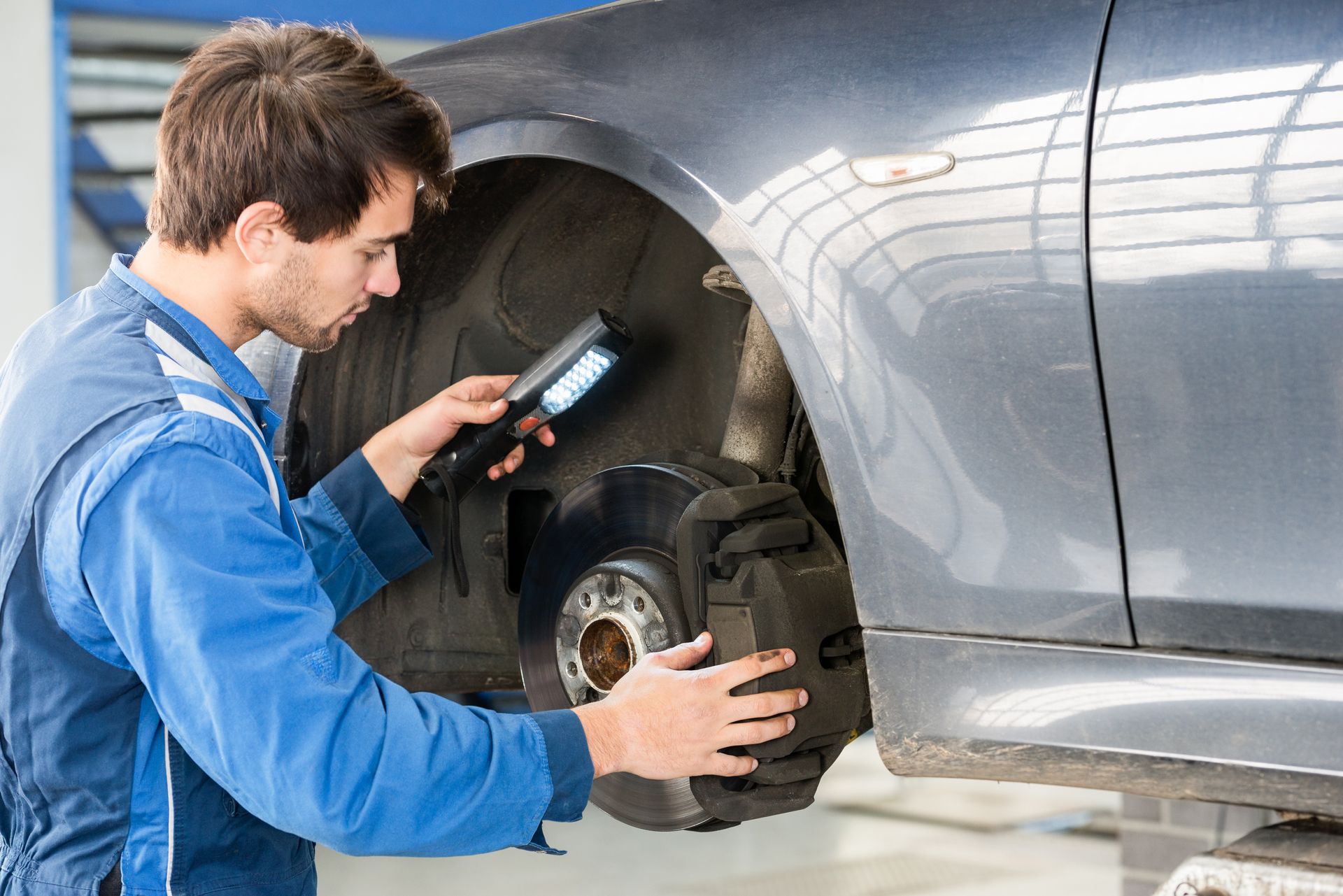
Salt and moisture can leave a rust ridge on rotor edges and create a thickness variation that feels like a steering shake during stops. If you sense a pulsation after a wet or snowy spell, a careful rotor measurement and cleaning of caliper slides often restores smooth braking.


Quality pads, even torque on wheels, and a brief post-service bed-in keep stops straight and quiet.


Quick Checks You Can Do Between Services


  • Look Under The Car After An Overnight Park for fresh oil or coolant drops.
  • Check Oil Level Monthly and note any change in consumption.
  • Listen For Bearing Hums on smooth roads at 40 to 60 mph.
  • Watch For Temperature Creep at long lights with A/C on.
  • Keep Tires Matched and rotated on schedule to protect the AWD system.


Keep Your Subaru Confident Year-Round With BG Automotive In Colorado


If you notice a hum, a slight shudder on hills, or a slow coolant drop, our team can pinpoint the cause before it grows. We verify fluid health, inspect AWD and suspension, measure brakes, and road test in real conditions so the fix lasts.


Schedule a visit with BG Automotive in Colorado and keep your Subaru surefooted, quiet, and ready for every mile.


  • Fort Collins, CO 80524
  • Fort Collins, CO 80524
  • Loveland, CO 80537
  • Loveland, CO 80538
  • Longmont, CO 80501
5 Car Problems That Often Show Up After Colorado’s First Hard Freeze | BG Automotive
September 25, 2026
BG Automotive in Colorado explains five car problems that often appear after the state's first hard freeze.
Dark blue GMC Sierra driving along a winding mountain road surrounded by vibrant fall foliage
September 10, 2026
Prepare your car for fall with BG Automotive. Time to check tires, lights, wipers, suspension, and transmission for safer driving across Northern Colorado.
August 28, 2026
Turbocharged engines often place greater demands on engine oil than naturally aspirated engines. The turbocharger itself depends on engine oil for lubrication, and the higher cylinder pressures and temperatures commonly associated with turbocharging can create operating conditions that make oil consumption more noticeable. That does not mean every turbocharged engine will use excessive oil. Many use very little between services. Still, when two engines are otherwise similar, the turbocharged version often has more places where oil can be exposed to heat, pressure, and airflow. Understanding those differences can help explain why checking the oil level between changes is especially important on a turbo vehicle. The Turbocharger Depends on Engine Oil A turbocharger uses exhaust energy to spin a turbine connected to a compressor. The shaft between them can rotate at extremely high speeds, so its bearings need a continuous supply of clean engine oil. Oil flows through the turbocharger to lubricate and cool the bearing assembly before returning to the engine. Because the turbo operates next to extremely hot exhaust components, the oil passing through it is exposed to more heat than oil circulating through many other areas of the engine. Over time, that additional heat can contribute to oxidation and deposit formation if the oil is overdue for replacement or does not meet the required specification. Some Oil Mist in the Intake Can Be Normal Drivers are sometimes surprised to find a light coating of oil inside turbocharger hoses or intercooler piping. A small amount does not automatically indicate a failed turbocharger. The crankcase ventilation system routes oil vapor and combustion gases from inside the engine back into the intake. Some of that vapor can condense inside the piping. Turbocharger compressor seals can also allow very small amounts of oil past them during normal operation without creating a measurable problem. Heavy oil accumulation is different. If oil is pooling inside the intercooler or intake pipes and the engine is also losing oil rapidly, producing blue smoke, or showing other symptoms, further testing is needed. Higher Cylinder Pressure Can Increase Blow-By Turbocharging forces more air into the cylinders, allowing the engine to produce more power from a relatively small displacement. Under boost, cylinder pressures are higher than they would be in a comparable naturally aspirated engine. A small amount of combustion gas always moves past the piston rings and enters the crankcase. This is known as blow-by. Under higher load and boost pressure, the amount can increase. The crankcase ventilation system has to manage those gases while separating as much oil vapor as possible before routing them back into the intake. If piston rings become worn or the crankcase ventilation system is not working correctly, more oil vapor can be carried into the intake and burned. Turbo Seals Can Become a Source of Oil Consumption The turbocharger contains sealing systems designed to keep engine oil away from the compressor and turbine housings. These seals work under demanding conditions involving heat, high rotational speed, exhaust pressure, and intake pressure. As the turbocharger wears, excessive shaft movement or oil drainage problems can allow more oil to move past the sealing areas. On the compressor side, that oil can enter the intake and eventually reach the cylinders. On the turbine side, it can enter the exhaust. Possible signs of a turbo-related oil problem include: Increasing oil consumption Blue or blue-gray exhaust smoke Heavy oil inside charge piping Unusual turbocharger noise Loss of boost or reduced power These symptoms still need to be evaluated together. Oil consumption by itself does not prove that the turbocharger is responsible. Heat Makes Oil Quality Especially Important Turbo engines often operate with higher temperatures around the exhaust manifold and turbocharger. During hard acceleration, towing, mountain driving, or sustained highway operation, the turbo can become extremely hot. Engine oil that does not meet the correct viscosity and performance specification may have a harder time maintaining protection in those conditions. Old oil is also more likely to form deposits in small turbocharger oil passages or around hot bearing surfaces. Using the oil required by the vehicle manufacturer is important. Moving to a thicker oil without confirming that it is approved for the engine can affect cold-start lubrication, variable valve timing operation, turbo oil flow, and other systems. Driving Style Can Change Oil Consumption Two identical turbocharged vehicles can use different amounts of oil simply because they are driven differently. A car that regularly operates under heavy boost sees higher cylinder pressure and turbo speed than one driven gently in light traffic. Extended high-speed driving can also increase oil temperature and crankcase vapor generation. This does not mean boost should be avoided, but it helps explain why oil consumption is sometimes more noticeable on vehicles driven aggressively or used for towing and other demanding work. Short trips create a different challenge. Moisture and fuel contamination may remain in the oil when the engine does not stay hot for long enough. Following the correct service schedule for the way the vehicle is actually used is part of regular maintenance. Low Oil Can Damage a Turbo Quickly A naturally aspirated engine should never be operated with low oil, but a turbocharger adds another component that depends directly on that oil supply. If the level drops far enough, the turbo bearings may not receive the lubrication and cooling they need. That is why drivers should not rely only on the oil-change interval. Checking the dipstick periodically between services can reveal consumption before the level becomes dangerously low. Vehicles with electronic oil-level monitoring should still be checked according to the manufacturer's instructions rather than waiting for a warning. If a turbocharged engine suddenly begins consuming significantly more oil than it used to, an inspection is worthwhile. The change may come from an external leak, crankcase ventilation problem, worn piston rings, valve stem seals, turbocharger wear, or another engine concern. Topping Off Oil Does Not Replace an Oil Change Adding oil when the level is low is necessary, but it does not replace scheduled oil service . The remaining oil still contains contaminants, and its additive package continues to degrade with time and use. Keeping the engine full and changing the oil at the proper interval work together. A turbocharged engine that receives the correct oil, a quality filter, and consistent level checks has a better chance of protecting the turbo and internal engine components over the long term. Get Turbocharged Engine Oil Service in Colorado With BG Automotive BG Automotive can check oil consumption, external leaks, crankcase ventilation components, turbocharger condition, and other factors that may be causing your turbocharged engine to lose oil between services. If the oil level is dropping faster than usual or you have noticed smoke, oil in the intake system, or changes in turbo performance, contact us to schedule service in Colorado .
Black Jeep Wrangler driving along a tree-lined neighborhood street near a school
August 11, 2026
Prepare your vehicle for the school year with BG Automotive. Get tips for AC care, fluids, tires, brakes, and safer driving around schools.
Why Your Car Dips Forward When You Step on the Brake Pedal | BG Automotive
July 31, 2026
BG Automotive in Colorado explains why a car may dip forward when the brake pedal is pressed.
Gray Mazda sedan inside a professional auto repair shop with the hood open
July 28, 2026
Keep your vehicle road-ready with a midsummer inspection. BG Automotive checks fluids, brakes, batteries, belts, and hoses to help prevent unexpected repairs.
Aerial view of a vehicle driving on a winding mountain road surrounded by dense forest
June 26, 2026
Summer heat can put extra strain on your engine and tires. BG Automotive offers expert diagnostics, inspections, and maintenance to keep you driving with confidence.
What Makes Your Car Take Longer to Stop Than It Used To | BG Automotive
June 26, 2026
BG Automotive in Colorado explains what can make your car take longer to stop than it used to.
5 Clear Signs Your Shocks, Struts, and Suspension Need Service | BG Automotive
May 29, 2026
BG Automotive in Colorado explains clear signs your shocks, struts, and suspension may need service.
Car driving on a mountain road lined with American flags, with headlights on and scenic hills.
May 11, 2026
Prepare for Memorial Day travel with car maintenance from BG Automotive. Check your cabin air filter warning lights and vehicle performance before warmer weather.