
Stop-and-go traffic has a way of turning a short drive into a long day. Your foot is hovering, your eyes are locked on brake lights, and your brain keeps bouncing between patience and irritation.
What helps most is having a simple approach you can repeat. The goal is to stay alert without feeling wound up, even when the flow keeps collapsing and restarting.
Why Stop-And-Go Traffic Drains You So Fast
In stop-and-go, your mind never gets a steady rhythm. You’re constantly predicting what the line will do, then reacting when it does something different. That low-level stress builds because it is continuous, not because any one moment is dramatic.
A big part of staying calm is reducing how often you have to react. When you can drive with fewer sudden pedal changes, your breathing settles, and your focus stays clearer.
Set Up Your Cabin And Mind Before It Builds
Small discomforts can make traffic feel twice as frustrating. If your seat position forces you to lean forward, your shoulders tense up. If your mirrors are slightly off, you keep second-guessing what’s beside you, and that adds mental noise.
Before the crawl really starts, take a second to sit upright, relax your grip, and set mirrors so you can glance instead of craning your neck. If visibility is getting hazy, run the defroster early. You want the cabin working with you, not against you.
Build A Buffer That Reduces Panic Braking
The fastest way to lower stress is to create a small buffer in front of you. It does not need to be a huge gap. It just needs to have enough room that you can ease off the gas and roll forward instead of braking hard every time the car ahead taps their brakes.
Try watching three to five cars ahead. When you notice a wave of brake lights in the distance, lift off sooner and let the car slow gradually. This keeps your stops gentler and reduces your likelihood of getting pulled into that chain-reaction braking that makes traffic feel chaotic.
Keep Your Attention Wide Without Getting Tense
A lot of drivers accidentally narrow their vision until they’re staring at one bumper. That is when you start feeling trapped. A wider scan provides more information and usually reduces the sense of pressure.
Use a simple loop: look far ahead, check mirrors, glance at the lane beside you, then back ahead. Keep your head up and your eyes moving. If you catch yourself holding your breath, that’s a sign you’re tensing up, not that you’re focusing better.
Micro-Resets That Help You Stay Calm And Sharp
These are small actions you can do while driving that reduce stress without pulling your attention off the road. Pick a few and use them consistently.
- Exhale longer than you inhale for a few breaths, because a longer exhale helps your body settle.
- Loosen your hands and drop your shoulders, then re-center your lane position.
- Keep a gentle following buffer so you can roll forward instead of lurching and braking.
- Limit lane changes unless you need an exit or there’s a clear blockage ahead.
- Give yourself a simple rule at each stop: mirrors, far ahead, then back to the car in front.
Common Habits That Make Stop-And-Go Feel Worse
Some habits feel productive, but they usually make you more stressed and less safe. Tailgating to prevent cut-ins removes your buffer, which forces harder braking. Rapid lane-hopping keeps your mind in a competitive state, which spikes tension for the whole drive.
Another one is accelerating hard in tiny openings. You gain a few feet, and then you have to brake again, which creates a cycle that’s tiring and rough on the vehicle. If you want a calmer drive, aim for steadier inputs and fewer decisions.
When Your Car Can Add Stress In Traffic
Sometimes the car itself makes stop-and-go harder than it should be. Low-speed surging, rough idle at lights, or brakes that feel grabby in parking-lot speeds can make you feel like you have to stay extra cautious. Cooling issues can also show up in long crawls, especially if the temperature gauge creeps up more in traffic than it does on open roads.
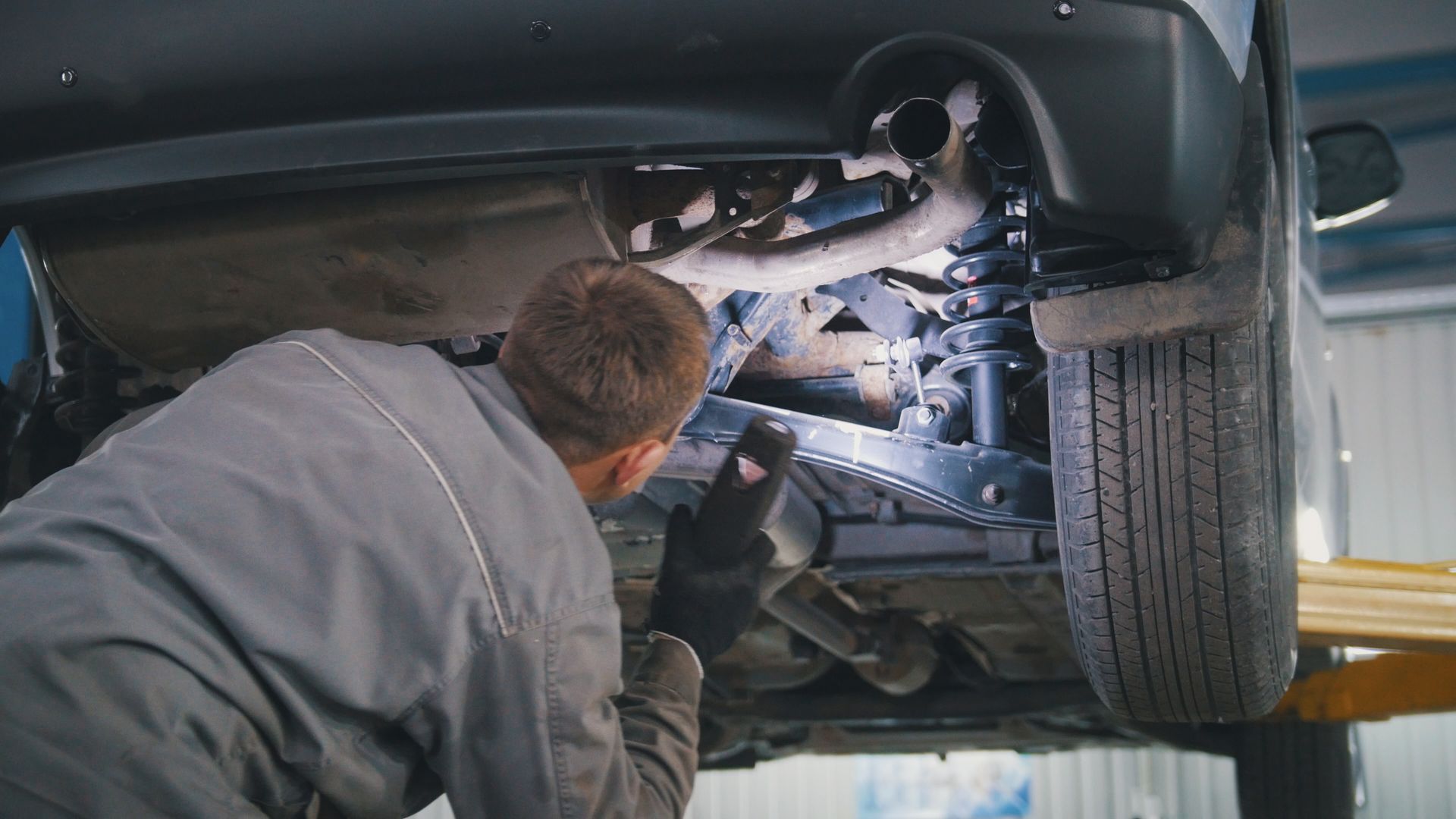
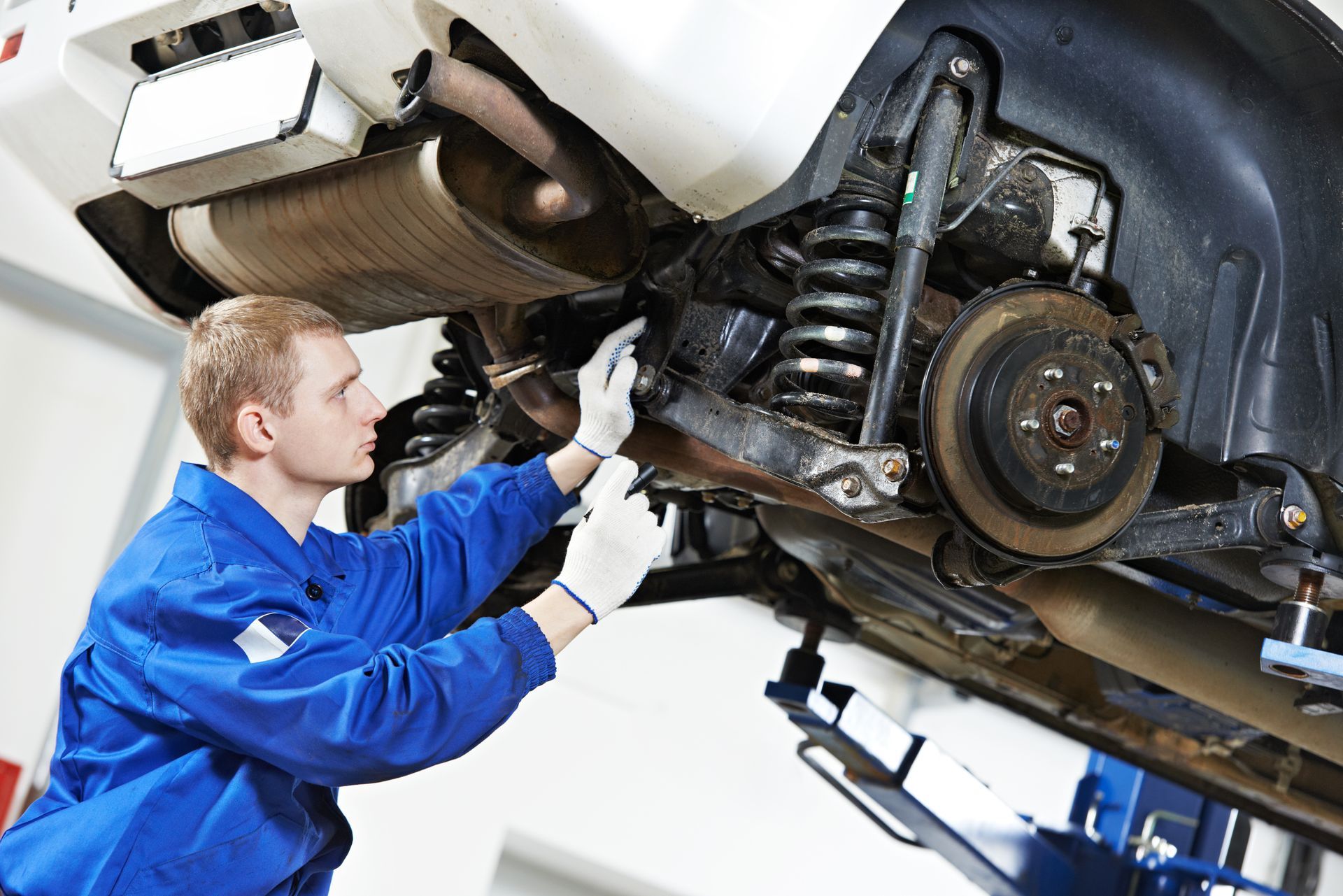
Our technicians often find that small drivability issues feel much bigger in stop-and-go traffic because you experience them repeatedly every few seconds. Getting those issues checked can take a lot of tension out of your commute.
Get Stop-And-Go Traffic Support in Colorado with BG Automotive
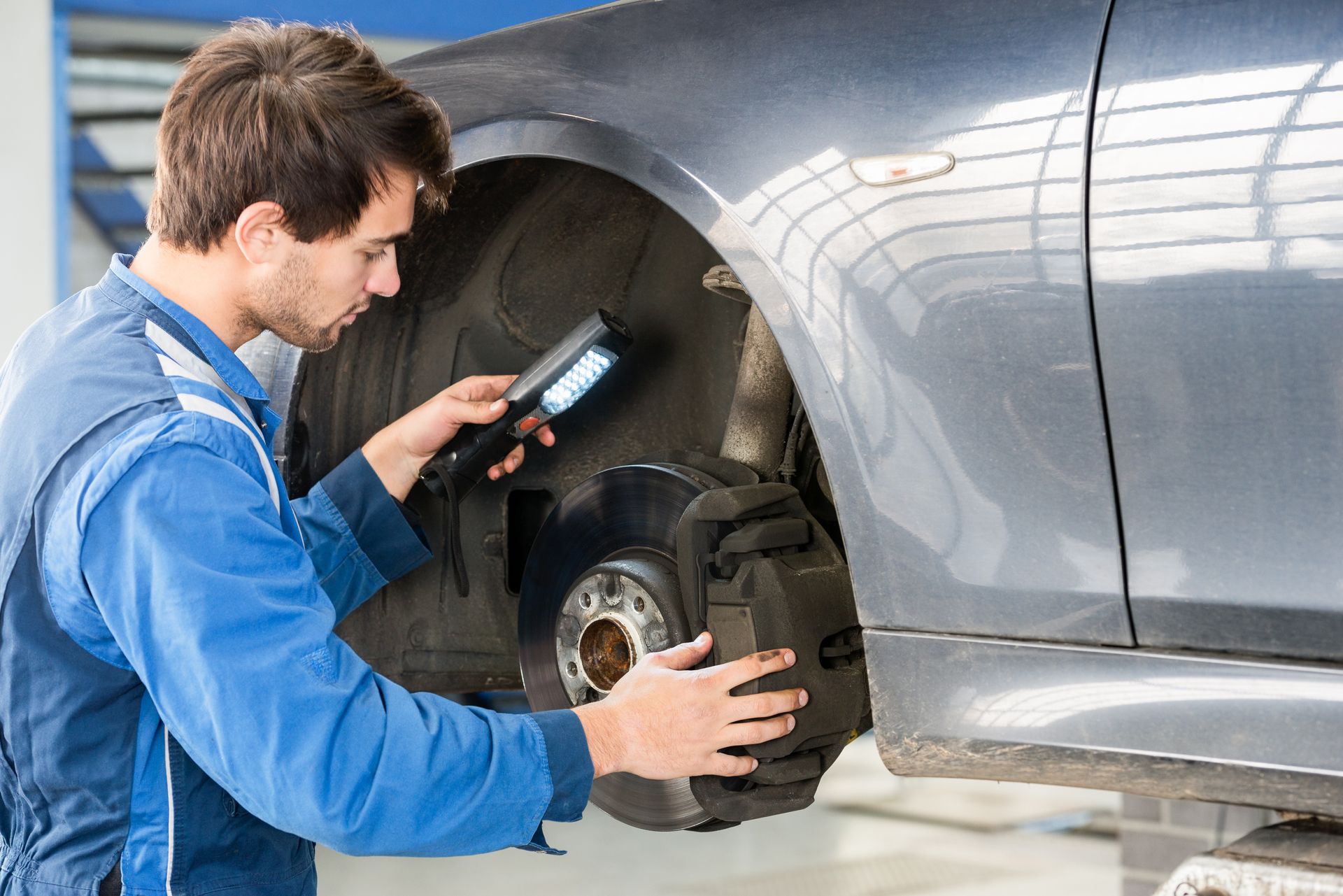
We can inspect brakes, cooling performance, idle quality, and steering feel so your vehicle isn’t adding extra strain in heavy traffic. We’ll explain what we find and recommend the next step based on the symptoms you’re noticing.
Call
BG Automotive in Colorado to schedule an inspection and make your daily drive feel more controlled and less draining.