
Can Potholes Cause Wheel Misalignment?

October 31, 2024

Driving along a familiar road, you might notice that your car starts to feel different after hitting a few potholes. That uncomfortable jolt when your tires hit one isn’t just annoying—it could have a lasting impact on your vehicle’s alignment. Potholes can do more than make for a bumpy ride. They can significantly affect your car's handling and, if left unchecked, lead to bigger, costlier problems down the line. But how do these road hazards cause wheel misalignment, and what can you do to avoid the negative effects?


How Potholes Cause Wheel Misalignment


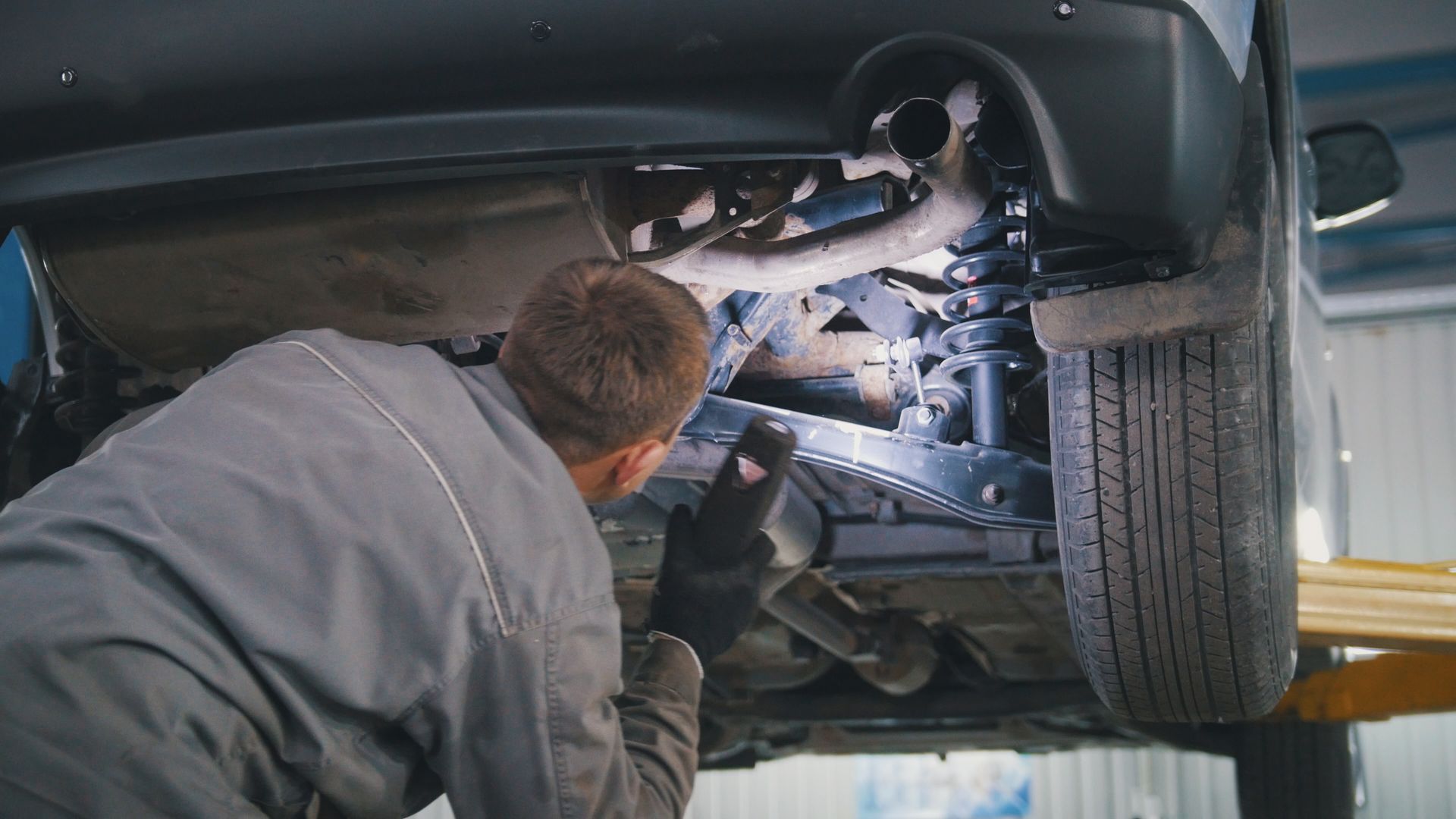
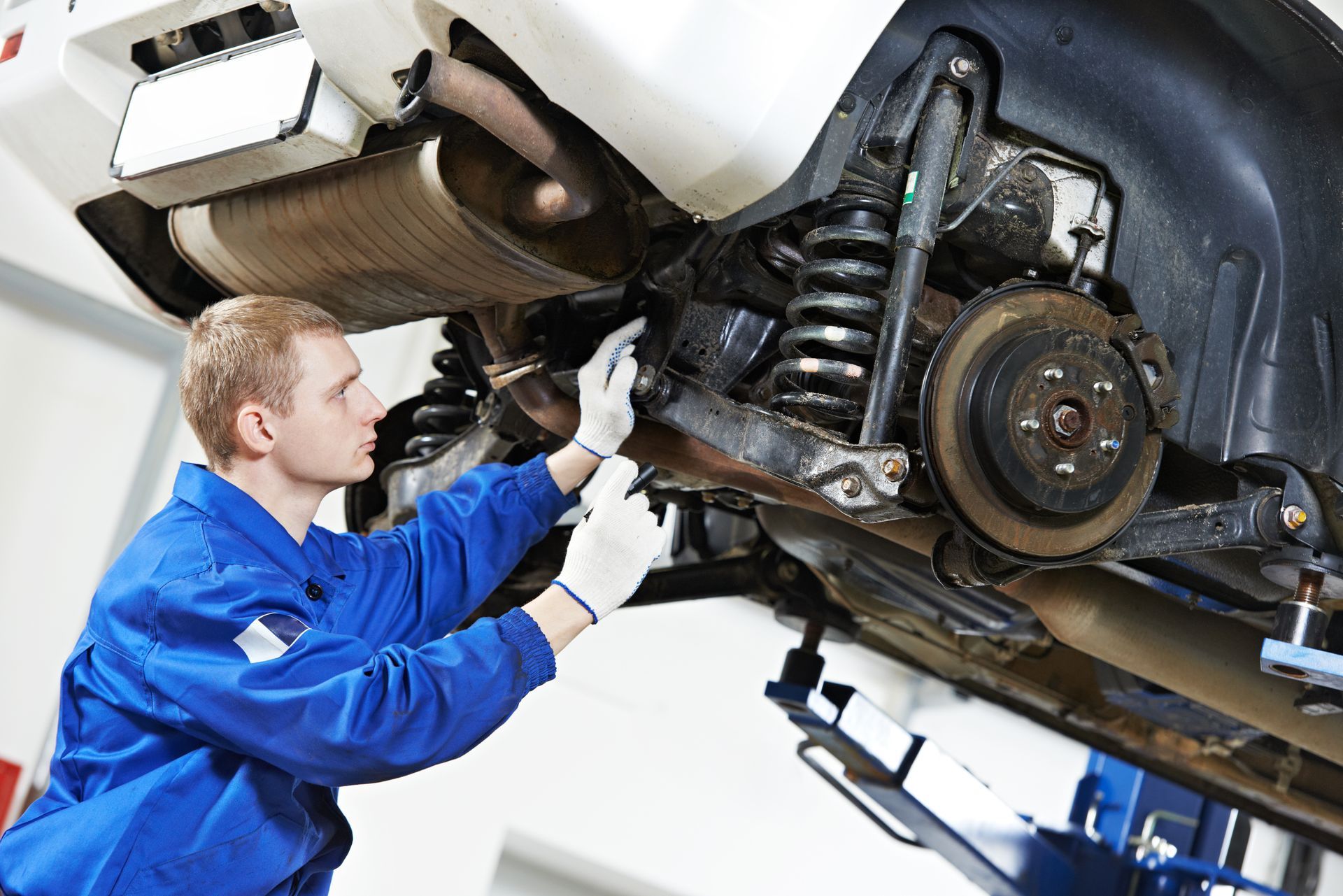
Potholes form when water seeps into cracks in the pavement, freezes, and expands, causing the road to break apart. When your vehicle drives over these broken patches at speed, the sudden drop and impact can jolt your car’s suspension and steering systems. Although your car’s suspension is designed to absorb shock, repeated or severe pothole strikes can knock it out of alignment. This means your wheels, which should all point in the same direction for smooth driving, no longer line up as they should.


The bigger and deeper the pothole, the more likely it is to cause misalignment. The problem worsens if you hit it at higher speeds or while turning. As your suspension and tires take the brunt of the impact, the precise angles that keep your wheels aligned can shift, leading to uneven wear on your tires, decreased handling, and poor fuel efficiency.


Warning Signs of Wheel Misalignment


Now that you know how potholes can affect your alignment, you must be aware of the signs indicating a problem. Misalignment can often go unnoticed at first, but over time, it will show how your car drives.


Uneven Tire Wear

One of the clearest signs of misalignment is uneven tire wear. Check the tread on your tires. If you notice that one side is more worn than the other, your wheels are likely out of alignment.


Pulling to One Side

Does your car pull to one side when driving straight? If your steering wheel seems to have a mind of its own and pulls your car to the left or right, you could be dealing with misalignment. The harder you have to work to keep your car straight, the worse the misalignment could be.


Steering Wheel Off-Center

When driving straight, your steering wheel should sit centered and even. If you notice that you have to hold it at an angle to drive straight, this is another sign that your alignment has been affected.


Vibrations

Your wheels could be misaligned or unbalanced if you feel vibrations through your steering wheel or seat, particularly after hitting a pothole. This is a sign that your car’s suspension or tires have been impacted by road damage.


The Impact of Misaligned Wheels


Ignoring misalignment may not seem like a big deal at first, but it can lead to bigger issues if left unchecked. Misaligned wheels can cause uneven tire wear, reducing their lifespan and increasing the likelihood of a blowout. You might also experience decreased fuel efficiency, as misaligned wheels create more friction and drag, forcing your car to work harder.


Furthermore, poor alignment affects your vehicle’s handling, which can make driving more dangerous. If you’re constantly correcting your steering to keep your car straight, especially in bad weather, you could end up in a dangerous situation. The longer you drive with misaligned wheels, the more strain you put on your suspension and steering components, leading to expensive repairs down the road.


What To Do If You Suspect Wheel Misalignment


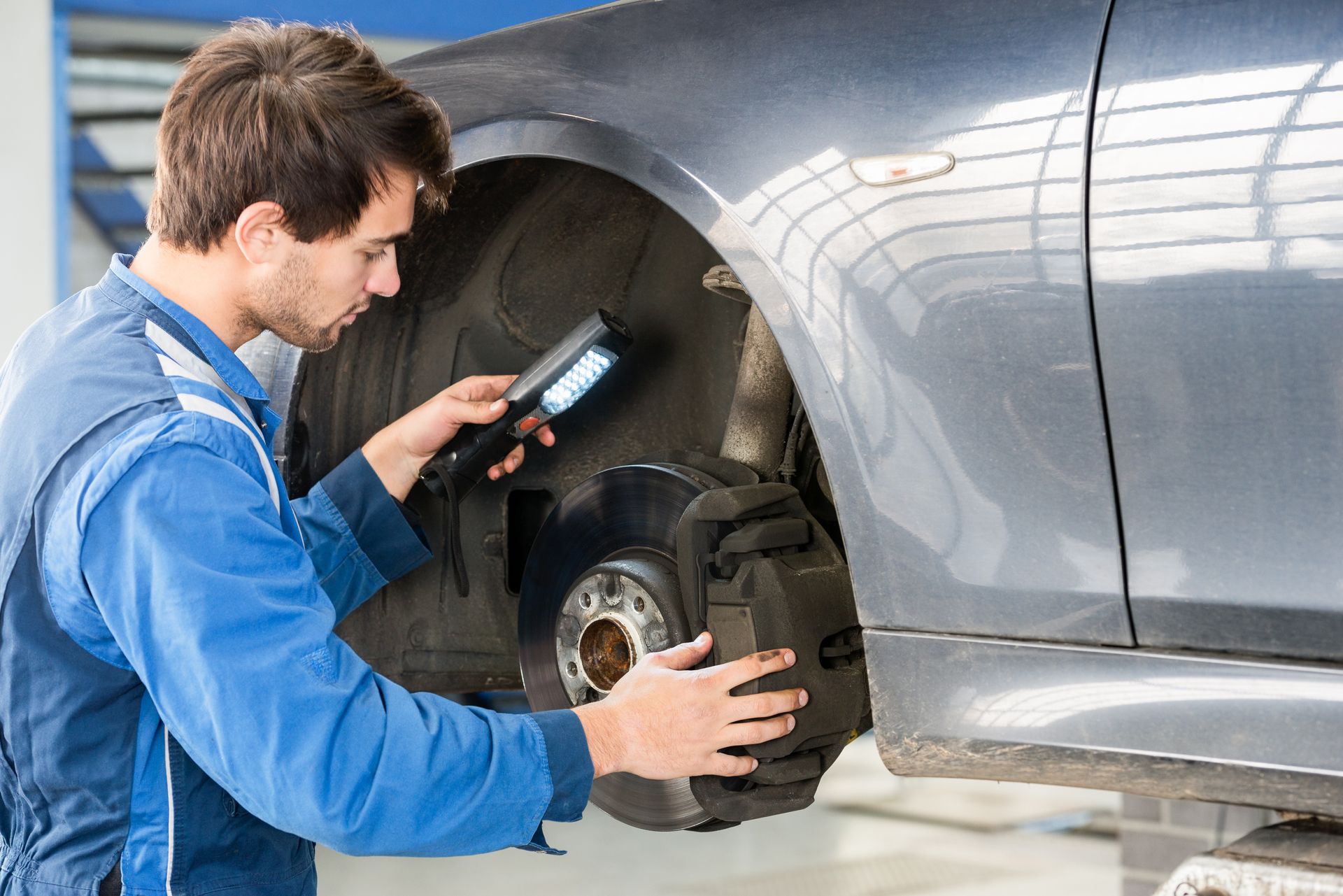
If you suspect your car’s wheels are misaligned after hitting a pothole, it’s important to get it checked out by a professional. Many alignment issues can be resolved with a simple wheel alignment service, which involves adjusting your car’s suspension system to ensure your wheels are at the correct angles.


During this service, technicians will check the three key angles of alignment: camber, caster, and toe. These angles ensure that your wheels are aligned properly for both safety and efficiency. If any of these angles are off, it can affect your vehicle’s performance.


How to Avoid Pothole Damage


While you can’t completely avoid potholes, you can do a few things to minimize the risk of damaging your car’s alignment.


Slow Down

When you spot a pothole ahead, slow down as much as possible without causing an accident. Hitting a pothole at lower speeds reduces the impact on your suspension.


Avoid Swerving

Swerving around a pothole can sometimes be more dangerous than hitting it, especially if there’s oncoming traffic. Instead, try to center your wheels over the pothole or straddle it if it's small enough.


Check Tire Pressure

Keeping your tires properly inflated can help absorb some of the shock from potholes and reduce the risk of misalignment.


Worried about your alignment after hitting a pothole? Stop by BG Automotive for a thorough inspection. Our experts will get you back on the road with perfectly aligned wheels.

Dark blue GMC Sierra driving along a winding mountain road surrounded by vibrant fall foliage
September 10, 2026
Prepare your car for fall with BG Automotive. Time to check tires, lights, wipers, suspension, and transmission for safer driving across Northern Colorado.
August 28, 2026
Turbocharged engines often place greater demands on engine oil than naturally aspirated engines. The turbocharger itself depends on engine oil for lubrication, and the higher cylinder pressures and temperatures commonly associated with turbocharging can create operating conditions that make oil consumption more noticeable. That does not mean every turbocharged engine will use excessive oil. Many use very little between services. Still, when two engines are otherwise similar, the turbocharged version often has more places where oil can be exposed to heat, pressure, and airflow. Understanding those differences can help explain why checking the oil level between changes is especially important on a turbo vehicle. The Turbocharger Depends on Engine Oil A turbocharger uses exhaust energy to spin a turbine connected to a compressor. The shaft between them can rotate at extremely high speeds, so its bearings need a continuous supply of clean engine oil. Oil flows through the turbocharger to lubricate and cool the bearing assembly before returning to the engine. Because the turbo operates next to extremely hot exhaust components, the oil passing through it is exposed to more heat than oil circulating through many other areas of the engine. Over time, that additional heat can contribute to oxidation and deposit formation if the oil is overdue for replacement or does not meet the required specification. Some Oil Mist in the Intake Can Be Normal Drivers are sometimes surprised to find a light coating of oil inside turbocharger hoses or intercooler piping. A small amount does not automatically indicate a failed turbocharger. The crankcase ventilation system routes oil vapor and combustion gases from inside the engine back into the intake. Some of that vapor can condense inside the piping. Turbocharger compressor seals can also allow very small amounts of oil past them during normal operation without creating a measurable problem. Heavy oil accumulation is different. If oil is pooling inside the intercooler or intake pipes and the engine is also losing oil rapidly, producing blue smoke, or showing other symptoms, further testing is needed. Higher Cylinder Pressure Can Increase Blow-By Turbocharging forces more air into the cylinders, allowing the engine to produce more power from a relatively small displacement. Under boost, cylinder pressures are higher than they would be in a comparable naturally aspirated engine. A small amount of combustion gas always moves past the piston rings and enters the crankcase. This is known as blow-by. Under higher load and boost pressure, the amount can increase. The crankcase ventilation system has to manage those gases while separating as much oil vapor as possible before routing them back into the intake. If piston rings become worn or the crankcase ventilation system is not working correctly, more oil vapor can be carried into the intake and burned. Turbo Seals Can Become a Source of Oil Consumption The turbocharger contains sealing systems designed to keep engine oil away from the compressor and turbine housings. These seals work under demanding conditions involving heat, high rotational speed, exhaust pressure, and intake pressure. As the turbocharger wears, excessive shaft movement or oil drainage problems can allow more oil to move past the sealing areas. On the compressor side, that oil can enter the intake and eventually reach the cylinders. On the turbine side, it can enter the exhaust. Possible signs of a turbo-related oil problem include: Increasing oil consumption Blue or blue-gray exhaust smoke Heavy oil inside charge piping Unusual turbocharger noise Loss of boost or reduced power These symptoms still need to be evaluated together. Oil consumption by itself does not prove that the turbocharger is responsible. Heat Makes Oil Quality Especially Important Turbo engines often operate with higher temperatures around the exhaust manifold and turbocharger. During hard acceleration, towing, mountain driving, or sustained highway operation, the turbo can become extremely hot. Engine oil that does not meet the correct viscosity and performance specification may have a harder time maintaining protection in those conditions. Old oil is also more likely to form deposits in small turbocharger oil passages or around hot bearing surfaces. Using the oil required by the vehicle manufacturer is important. Moving to a thicker oil without confirming that it is approved for the engine can affect cold-start lubrication, variable valve timing operation, turbo oil flow, and other systems. Driving Style Can Change Oil Consumption Two identical turbocharged vehicles can use different amounts of oil simply because they are driven differently. A car that regularly operates under heavy boost sees higher cylinder pressure and turbo speed than one driven gently in light traffic. Extended high-speed driving can also increase oil temperature and crankcase vapor generation. This does not mean boost should be avoided, but it helps explain why oil consumption is sometimes more noticeable on vehicles driven aggressively or used for towing and other demanding work. Short trips create a different challenge. Moisture and fuel contamination may remain in the oil when the engine does not stay hot for long enough. Following the correct service schedule for the way the vehicle is actually used is part of regular maintenance. Low Oil Can Damage a Turbo Quickly A naturally aspirated engine should never be operated with low oil, but a turbocharger adds another component that depends directly on that oil supply. If the level drops far enough, the turbo bearings may not receive the lubrication and cooling they need. That is why drivers should not rely only on the oil-change interval. Checking the dipstick periodically between services can reveal consumption before the level becomes dangerously low. Vehicles with electronic oil-level monitoring should still be checked according to the manufacturer's instructions rather than waiting for a warning. If a turbocharged engine suddenly begins consuming significantly more oil than it used to, an inspection is worthwhile. The change may come from an external leak, crankcase ventilation problem, worn piston rings, valve stem seals, turbocharger wear, or another engine concern. Topping Off Oil Does Not Replace an Oil Change Adding oil when the level is low is necessary, but it does not replace scheduled oil service . The remaining oil still contains contaminants, and its additive package continues to degrade with time and use. Keeping the engine full and changing the oil at the proper interval work together. A turbocharged engine that receives the correct oil, a quality filter, and consistent level checks has a better chance of protecting the turbo and internal engine components over the long term. Get Turbocharged Engine Oil Service in Colorado With BG Automotive BG Automotive can check oil consumption, external leaks, crankcase ventilation components, turbocharger condition, and other factors that may be causing your turbocharged engine to lose oil between services. If the oil level is dropping faster than usual or you have noticed smoke, oil in the intake system, or changes in turbo performance, contact us to schedule service in Colorado .
Black Jeep Wrangler driving along a tree-lined neighborhood street near a school
August 11, 2026
Prepare your vehicle for the school year with BG Automotive. Get tips for AC care, fluids, tires, brakes, and safer driving around schools.
Why Your Car Dips Forward When You Step on the Brake Pedal | BG Automotive
July 31, 2026
BG Automotive in Colorado explains why a car may dip forward when the brake pedal is pressed.
Gray Mazda sedan inside a professional auto repair shop with the hood open
July 28, 2026
Keep your vehicle road-ready with a midsummer inspection. BG Automotive checks fluids, brakes, batteries, belts, and hoses to help prevent unexpected repairs.
Aerial view of a vehicle driving on a winding mountain road surrounded by dense forest
June 26, 2026
Summer heat can put extra strain on your engine and tires. BG Automotive offers expert diagnostics, inspections, and maintenance to keep you driving with confidence.
What Makes Your Car Take Longer to Stop Than It Used To | BG Automotive
June 26, 2026
BG Automotive in Colorado explains what can make your car take longer to stop than it used to.
5 Clear Signs Your Shocks, Struts, and Suspension Need Service | BG Automotive
May 29, 2026
BG Automotive in Colorado explains clear signs your shocks, struts, and suspension may need service.
Car driving on a mountain road lined with American flags, with headlights on and scenic hills.
May 11, 2026
Prepare for Memorial Day travel with car maintenance from BG Automotive. Check your cabin air filter warning lights and vehicle performance before warmer weather.
Traffic moving on a wet highway at night with headlights reflecting on the road and rain falling.
May 1, 2026
Spring rain can impact your vehicle's performance and safety. BG Automotive offers engine repair, oil change service, and inspections in Fort Collins and nearby.