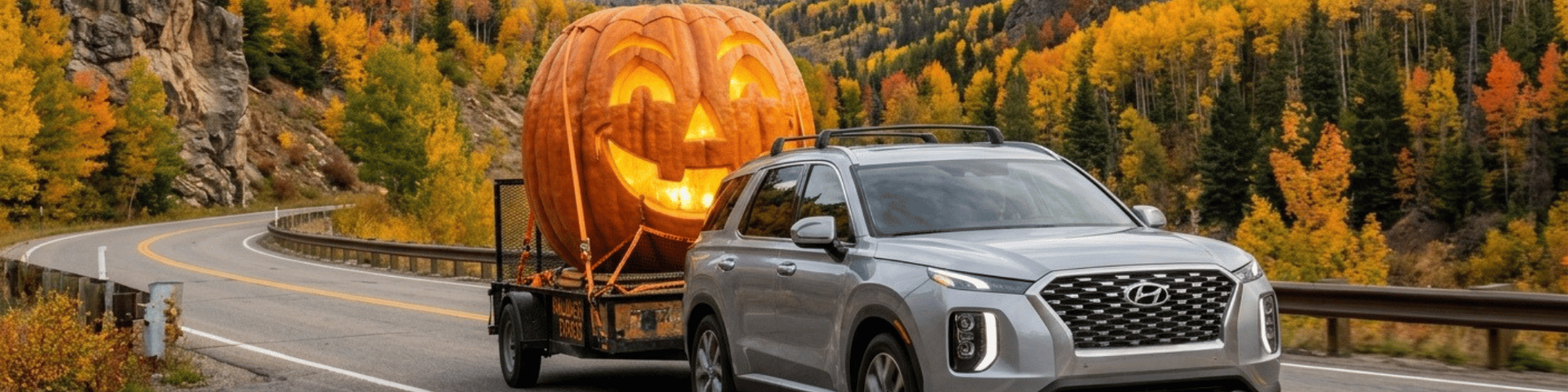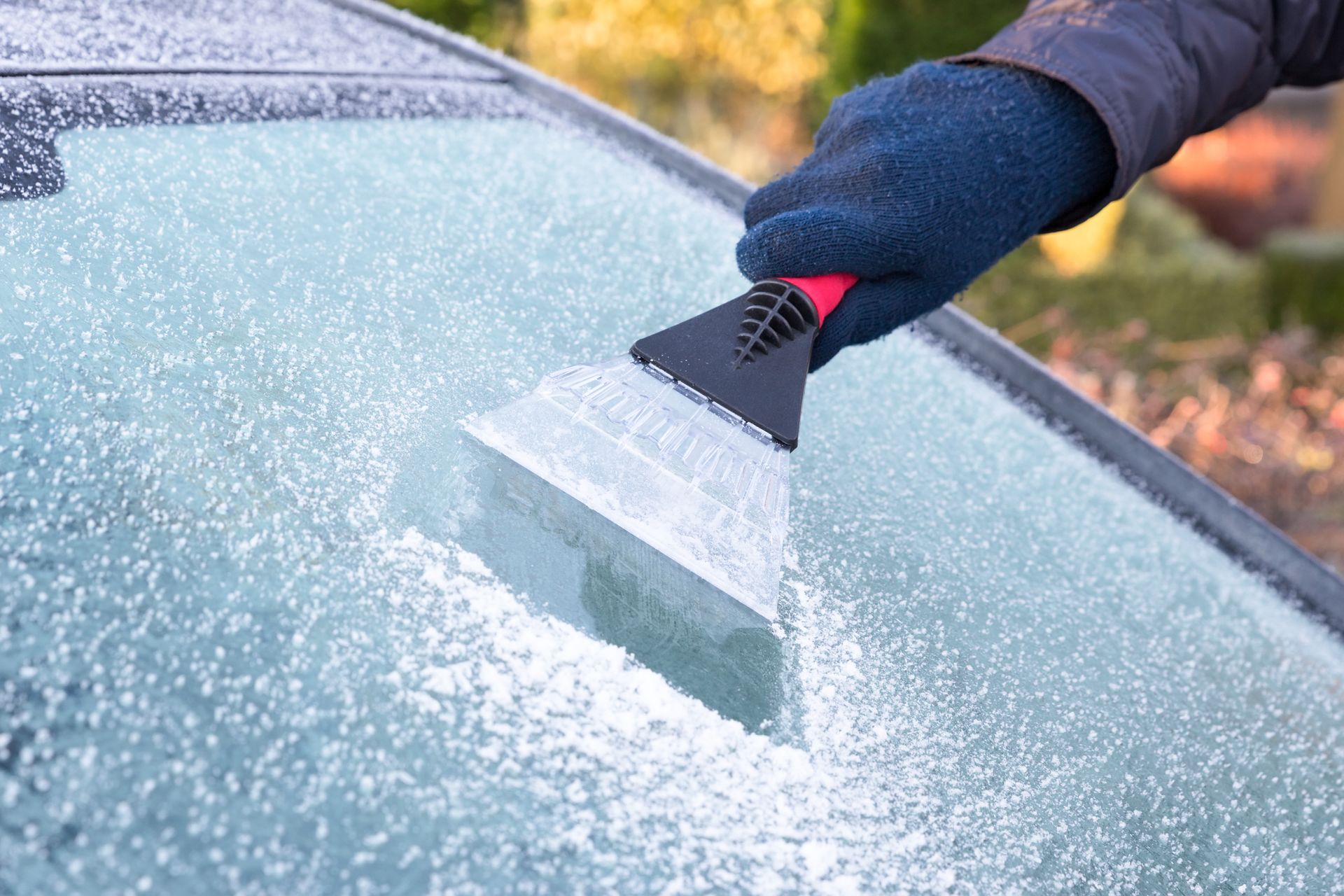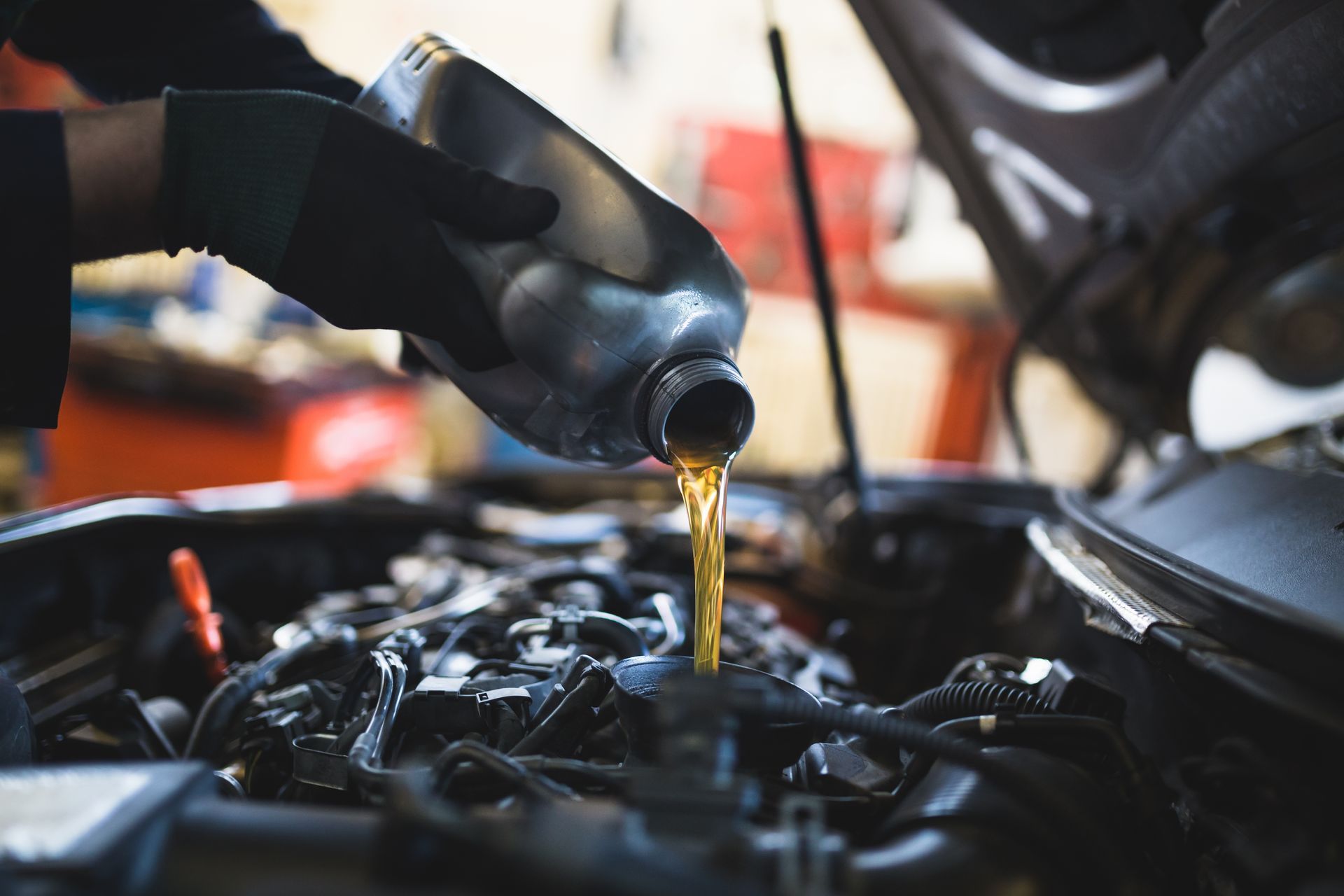
September brings a noticeable transition to Northern Colorado. Days begin to get shorter, temperatures start to cool, and changing weather can create different driving conditions around Fort Collins, Loveland, and Longmont. It is a good time to give your vehicle some attention before fall is fully underway.
Preparing for the season involves more than checking a few fluids. Visibility, tires, alignment, suspension, and overall vehicle performance all play a role in keeping you comfortable and confident behind the wheel.
How Should You Prepare Your Car for Fall?
Start with the parts of your vehicle that affect visibility, traction, handling, and reliability. Check your headlights, taillights, turn signals, windshield, wipers, tires, fluids, suspension, and transmission. Addressing worn components or developing problems early can help you adapt to shorter days and changing weather conditions in Northern Colorado.
Better Visibility Starts with a Simple Inspection
One of the biggest seasonal changes drivers notice is the gradual loss of daylight. Morning drives may begin in lower light, while evening commutes get darker earlier as fall progresses.
Take a few minutes to walk around your vehicle and check the systems that help you see and be seen:
- Confirm that headlights, high beams, taillights, brake lights, and turn signals illuminate properly.
- Replace wipers that streak, chatter, or leave portions of the windshield uncleared.
- Clean the inside and outside of your windshield to reduce glare from headlights and low sunlight.
- Keep the windshield washer fluid topped up and test the sprayers.
- Check mirrors and exterior lights for dirt that could reduce visibility.
Headlights that seem unusually dim can also deserve professional attention. Sometimes the problem is as simple as an aging bulb, while electrical or charging system concerns can require further diagnosis.
Tires, Alignment, and Suspension Matter as Conditions Change
Fall driving can bring wet pavement, temperature changes, and trips into the foothills or mountains. Your tires are your vehicle's connection to the road, so tread condition and proper inflation should be part of your seasonal checkup.
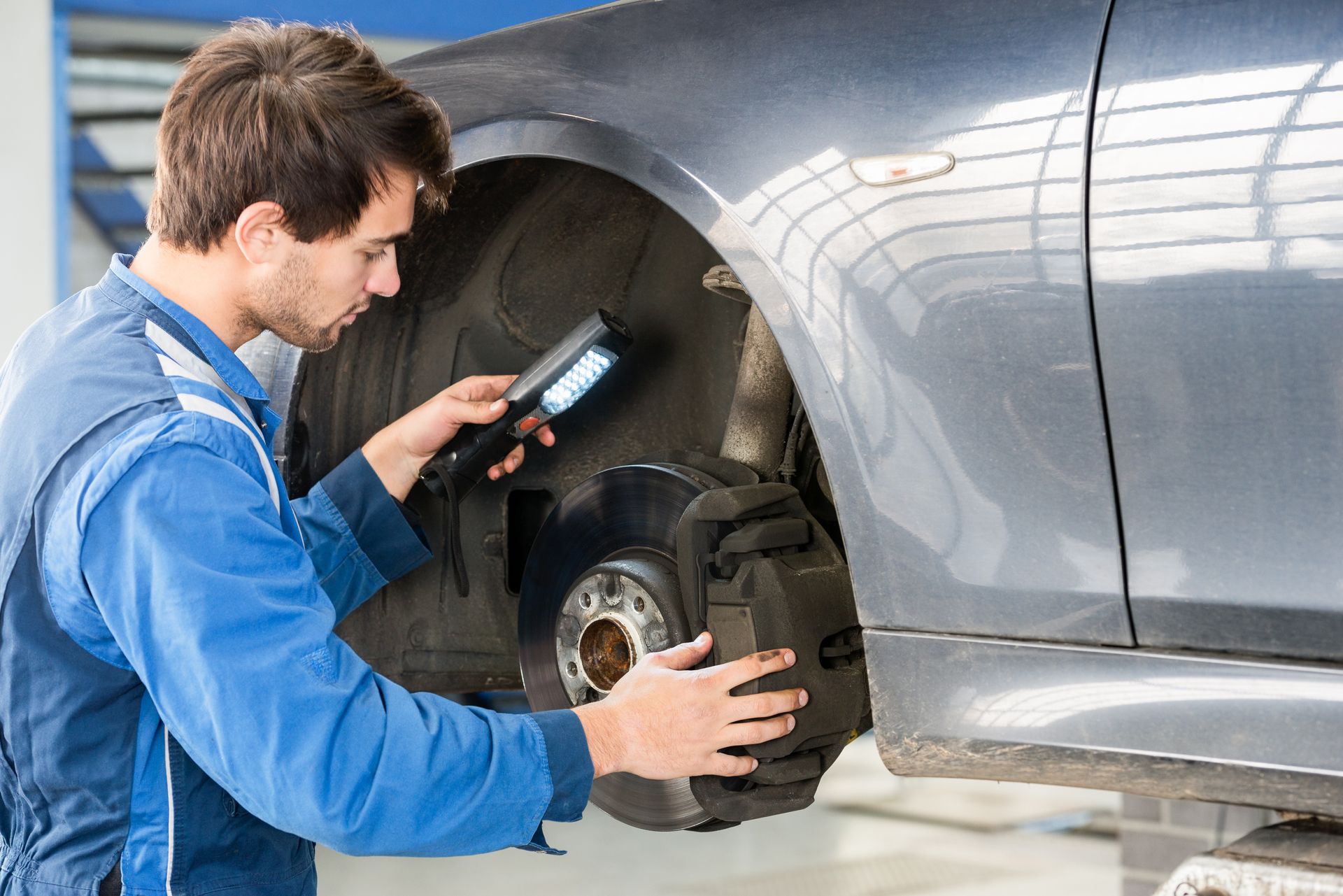
Alignment and suspension conditions matter too. If your vehicle pulls to one side, the steering wheel is off-center, or your tires are wearing unevenly, an alignment inspection may be appropriate. Drivers searching for tire alignment near you can visit BG Automotive in Fort Collins, Loveland, or Longmont for an evaluation of the tires, steering, alignment, and related components.
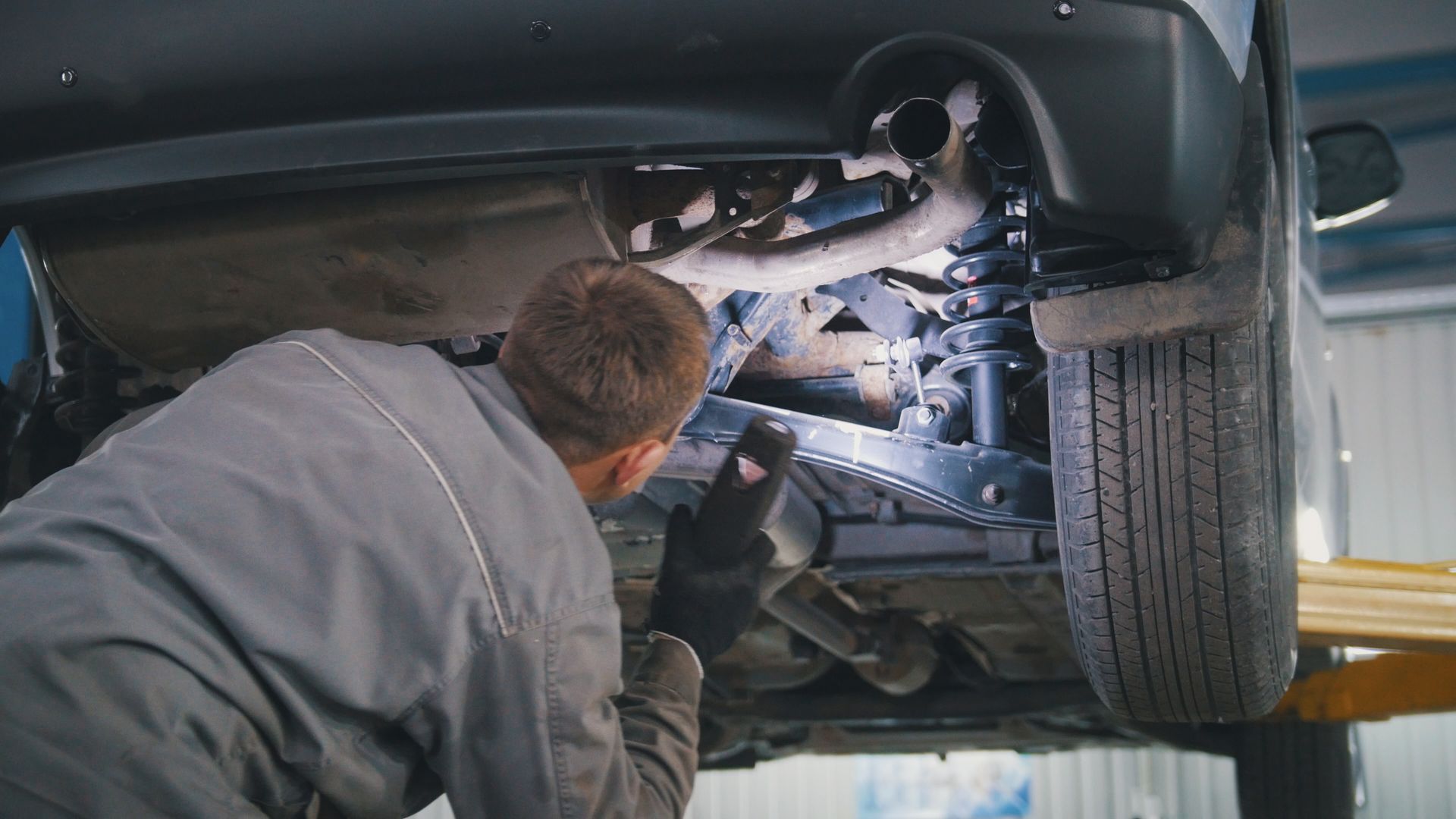
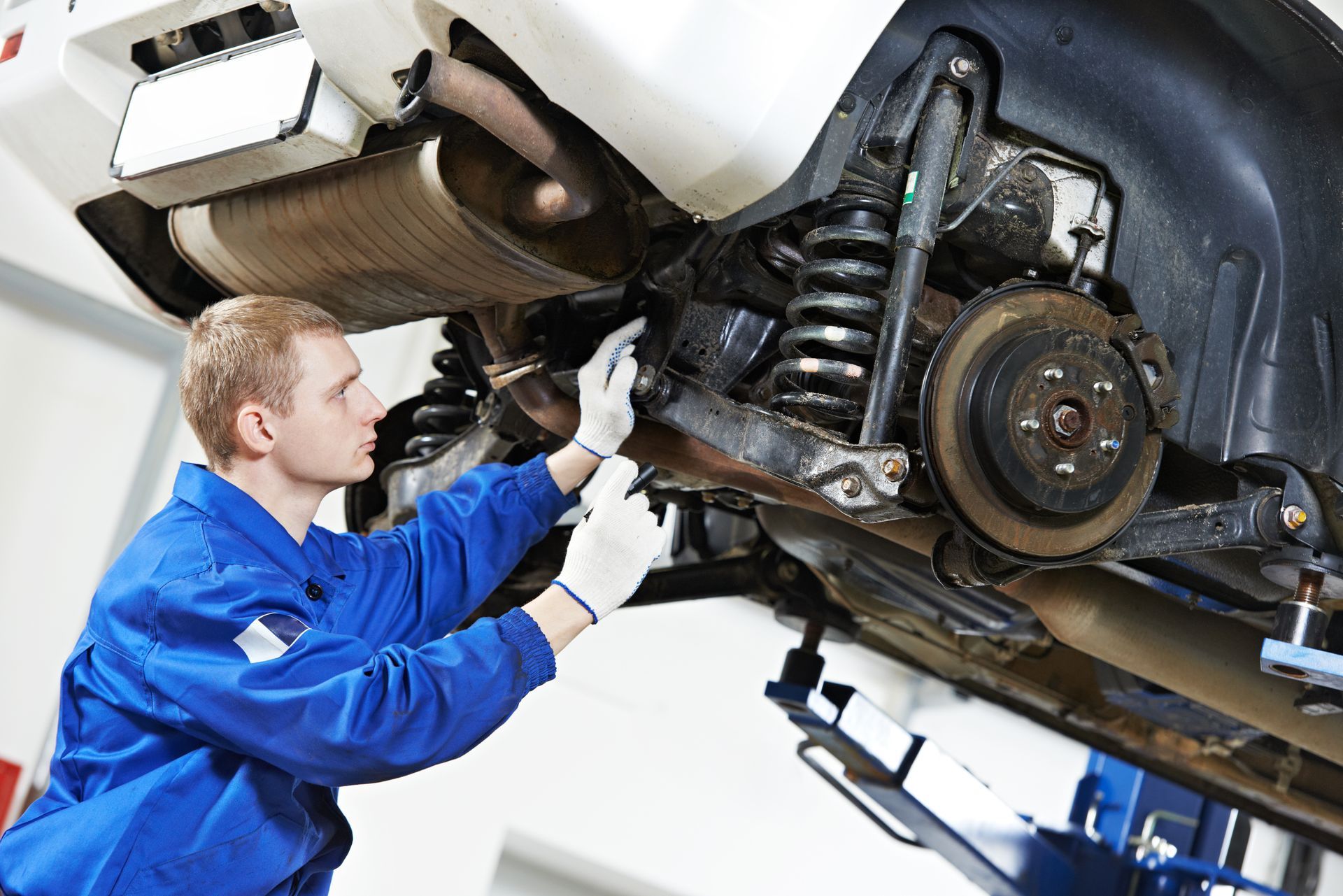
Suspension problems can also affect handling and tire wear. Professional suspension repair may be needed if you notice excessive bouncing, unusual noises over bumps, uneven tire wear, or changes in steering response.
These systems work together. Correcting an alignment problem without addressing a worn suspension component may not solve the underlying cause of uneven tire wear.
Fall Driving in Northern Colorado Requires Extra Awareness
Northern Colorado drivers have another seasonal consideration that goes beyond vehicle maintenance. Wildlife activity near Colorado roads increases during fall migration, making alert driving especially important around dawn and dusk.
According to the Colorado Department of Transportation, the state has averaged approximately 3,300 reported wildlife collisions per year over 10 years, with collisions increasing during migration season, particularly between dusk and dawn.
When traveling through Northern Colorado, especially near open spaces, foothills, and less developed roads, reduce your speed when visibility is limited. Scan the shoulders for movement and reflective eyes. If you see one deer or elk, remain alert because others may be nearby. CDOT also advises drivers to use extra caution and slow down, particularly at night.
Good vehicle maintenance supports these safer driving habits. Properly functioning lights help you see farther ahead, while healthy tires, brakes, steering, and suspension help your vehicle respond predictably when road conditions change.
Keep the Transmission on Your Seasonal Checklist
Your transmission may not immediately come to mind when preparing for fall, but changes in shifting performance should never be ignored.
Delayed engagement, slipping, unusual noises, leaking fluid, or rough shifting can signal that the transmission needs professional attention. BG Automotive provides diagnostic services and transmission repair for drivers throughout Fort Collins, Loveland, and Longmont. Identifying the cause early can help prevent a developing concern from becoming a more extensive repair.
Transmission maintenance requirements vary by make, model, mileage, and transmission type. Following the manufacturer's recommended service schedule is the best starting point.
Experience You Can Rely On at BG Automotive
Seasonal inspections are most valuable when performed by technicians who can view the vehicle as a complete system. BG Automotive's ASE-Certified technicians service a wide variety of makes and models and use professional diagnostic equipment to identify issues accurately.
Our team focuses on clear communication and detailed inspections so you can understand what your vehicle needs now and what can be planned for later. BG Automotive also provides warranty coverage on qualifying repairs, adding confidence when your vehicle needs more than routine maintenance.
Head into Fall with Confidence
Changing seasons are a useful reminder to check the systems you depend on every day. Clear lights and windows improve visibility. Healthy tires, proper alignment, and a sound suspension support predictable handling. Staying alert to transmission issues can help protect your vehicle from more serious problems.
Schedule a seasonal vehicle inspection with BG Automotive in Fort Collins, Loveland, or Longmont and make sure your car is prepared for Northern Colorado's fall roads.
Frequently Asked Questions
What should I check on my car before fall?
Focus on tires, lights, wipers, fluids, brakes, battery condition, steering, and suspension. It is also a good time to address dashboard warning lights or changes in vehicle performance.
How do I know if my vehicle needs a tire alignment?
Common signs include pulling to one side, uneven tire wear, or a steering wheel that appears off-center when driving straight. An inspection can determine whether alignment or another steering or suspension issue is responsible.
What are common signs that suspension repair is needed?
Clunking noises, excessive bouncing, uneven tire wear, unusual body movement, and changes in steering can indicate worn suspension components.
When should I have my transmission inspected?
Have it checked if you experience slipping, delayed engagement, rough shifting, unusual noises, or leaking fluid. Transmission concerns are generally easier to address when they are diagnosed early.
Why is fall visibility especially important in Colorado?
Daylight gradually decreases as fall progresses, and wildlife can be more active near roadways. Clean windows, working exterior lights, good wipers, and attentive driving help you respond to changing conditions.