Start the School Year with a Safer, More Reliable Vehicle

August 11, 2026

Back-to-school season brings a major change to the roads around Fort Collins, Loveland, and Longmont. Morning commutes get busier, school buses return to their routes, and more students are walking, biking, or driving to class. Whether you are handling daily drop-offs, handing the keys to a teen driver, or sending a college student back to campus, vehicle safety deserves a spot on your back-to-school checklist.


A little preventive maintenance can help make those busy mornings more reliable while reducing the chance of unexpected car trouble during the school year.


How Should You Prepare a Car for the School Year?

Start by checking the systems that directly affect safety, comfort, and reliability. Brakes, tires, fluids, lights, air conditioning, and the battery should all be inspected before schedules become packed. For a teen or college student's vehicle, it is also a good idea to address any warning lights and overdue maintenance before it is regularly driven on its own.


Put Vehicle Safety on the Back-to-School Checklist

Backpacks and school supplies might get most of the attention in August, but the family vehicle needs preparation, too. This is particularly important if your teen will be driving to school for the first time, or if your college student will be commuting or traveling farther from home.


According to the National Highway Traffic Safety Administration, 2,883 teenagers ages 13 to 19 were killed in traffic crashes in 2023. That makes conversations about safe driving habits and a properly maintained vehicle especially important as students return to the road.


Before the school year gets into full swing, consider having these essentials checked:


  • Tire pressure, tread depth, and overall tire condition
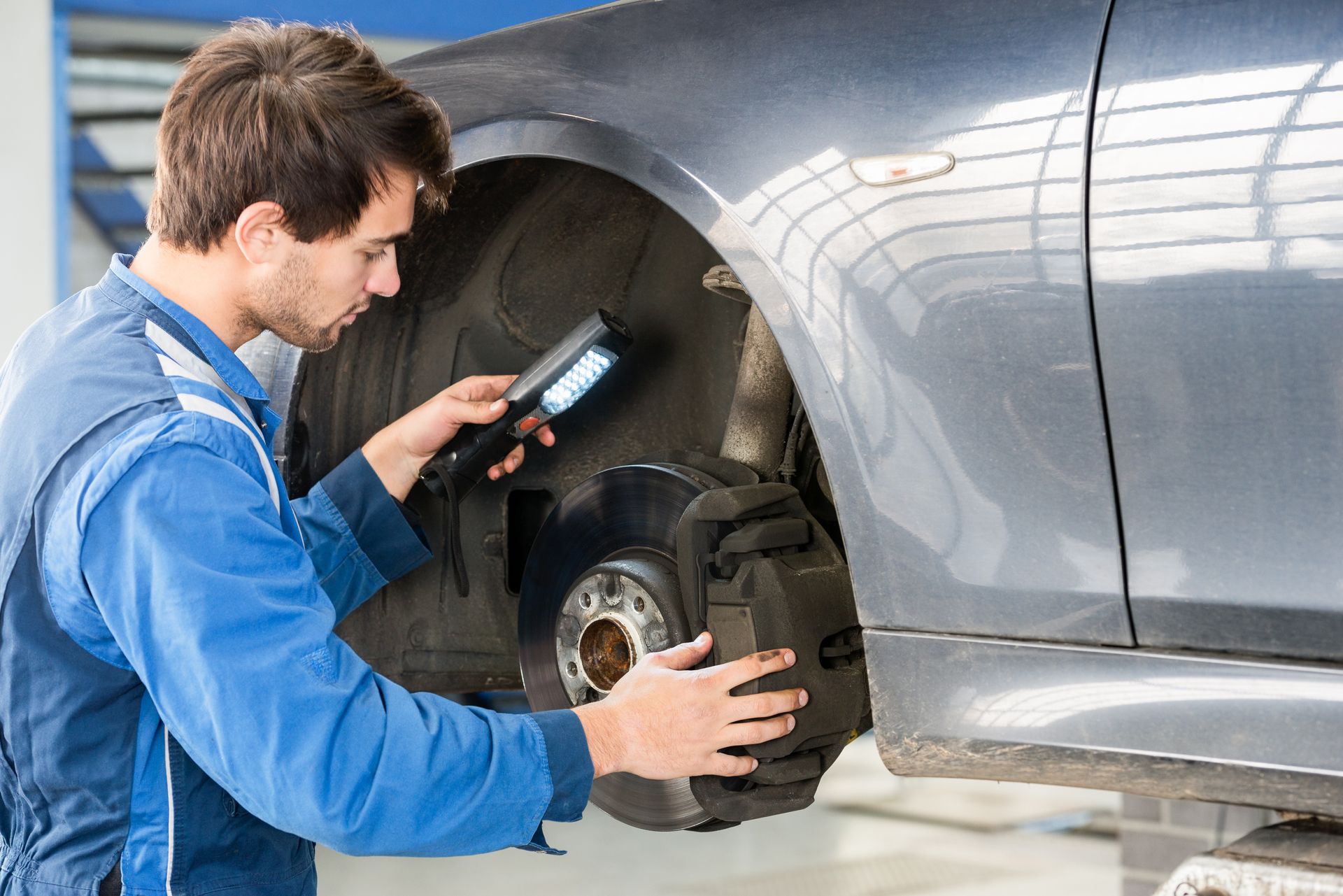
  • Brake pads, rotors, and brake fluid
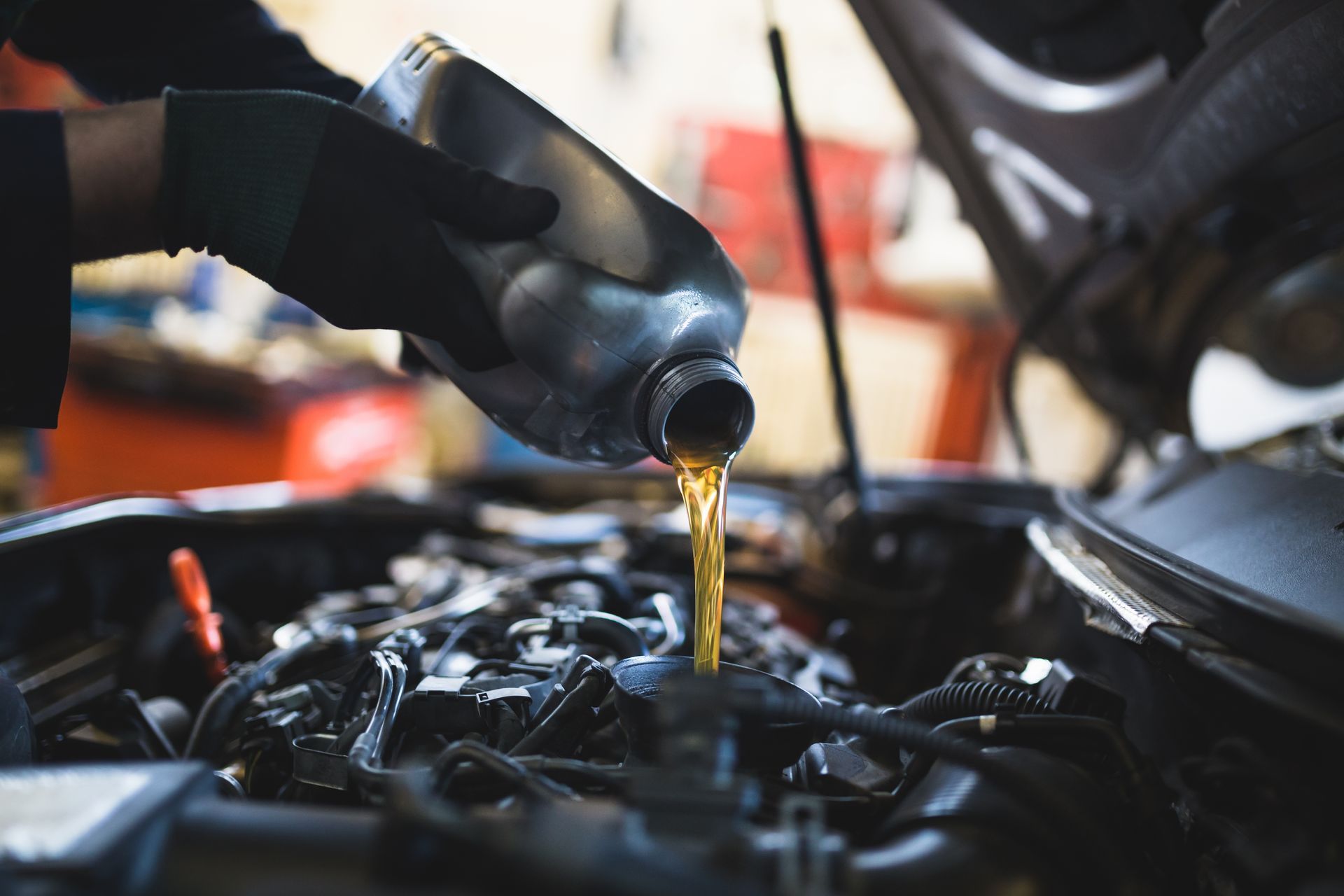
  • Engine oil and other important vehicle fluids
  • Headlights, brake lights, and turn signals
  • Battery condition and charging performance
  • Air conditioning and cabin air filter
  • Windshield wipers and washer fluid


For college students heading farther from home, reviewing the manufacturer's recommended maintenance schedule can also help identify services that are coming due.


Safer Habits for Busy School Roads

Vehicle maintenance is only one part of back-to-school safety. Drivers also need to adjust to the return of school traffic.

Slow down and stay alert when entering school zones, especially during morning arrival and afternoon dismissal. Watch carefully for students at intersections and crosswalks, and give cyclists additional space when passing.


School buses deserve your full attention as well. Be prepared for frequent stops, and never become distracted by your phone while driving around a bus or in a crowded school zone. Parents should review these habits with teen drivers before the first day of school and reinforce the importance of staying focused behind the wheel.


Comfort and Reliability for Northern Colorado Drivers

August can still bring plenty of warm weather to Northern Colorado, making a properly functioning air conditioning system important for students and families spending time on the road.


If the air coming from your vents is warm, airflow seems weak, or the cabin takes unusually long to cool, professional car AC repair can identify the cause. For drivers searching online for car AC repair near you, BG Automotive provides local service in Fort Collins, Loveland, and Longmont to help keep vehicles comfortable through the remaining warm weather.


Fluids also deserve attention before the school year. Transmission fluid helps lubricate and protect critical transmission components. Its service interval varies depending on the vehicle and driving conditions, so following the manufacturer's recommendations is important. If you are looking for a transmission fluid change near you, the BG Automotive team can determine your vehicle's specific needs rather than relying on a one-size-fits-all schedule.


Trusted Vehicle Care for Northern Colorado Families

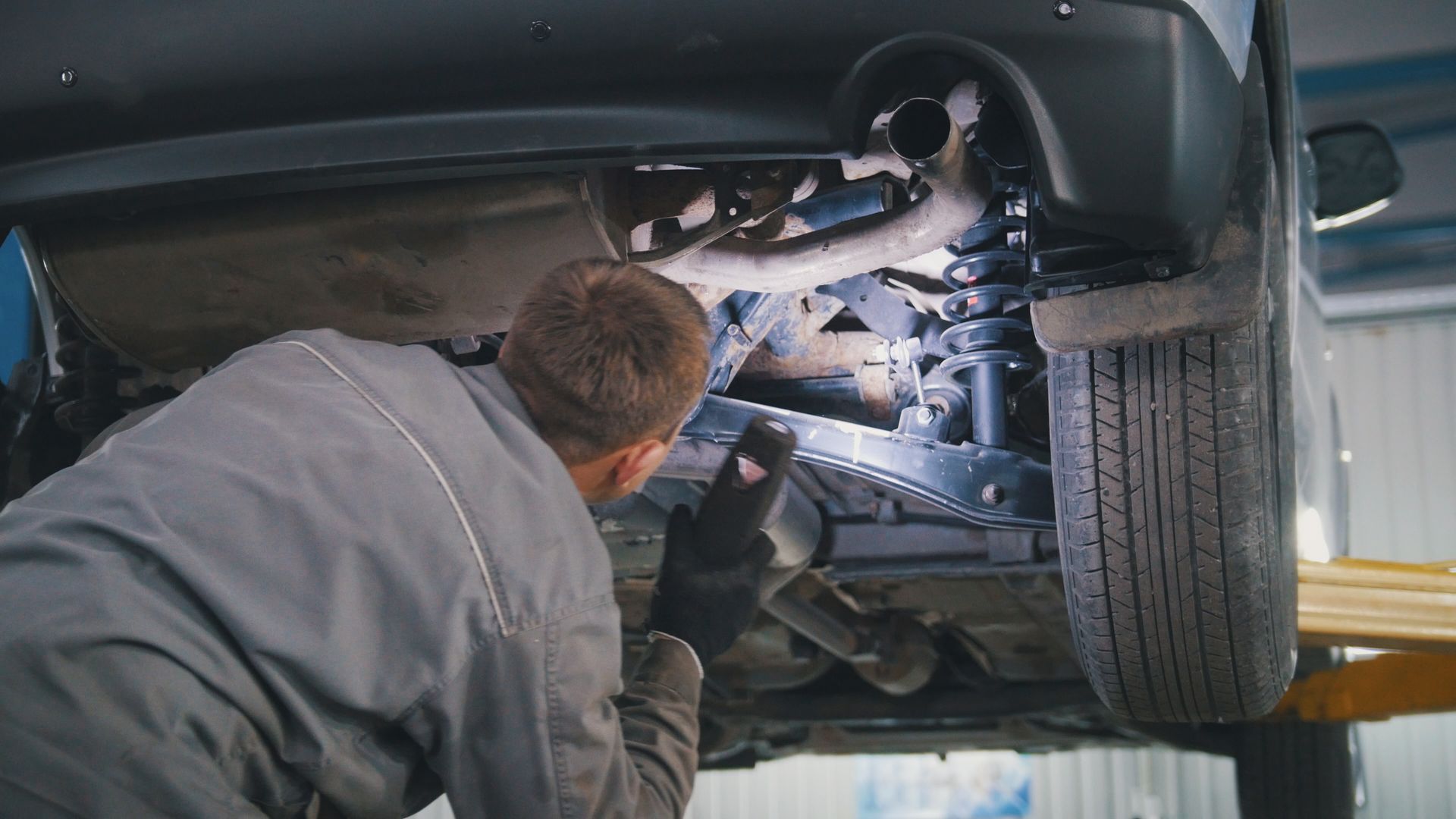
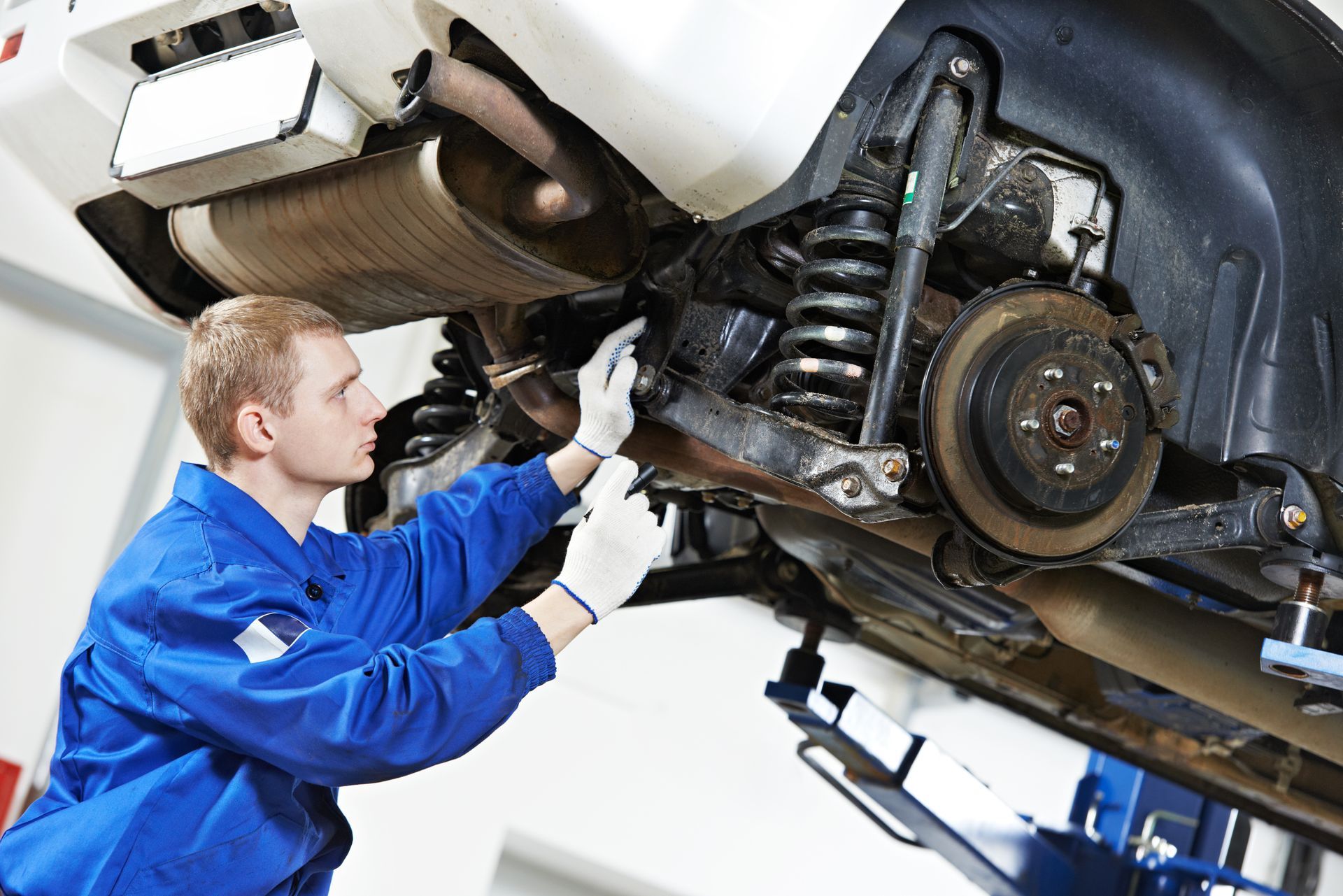
BG Automotive combines experienced technicians with detailed vehicle inspections and clear communication. Our ASE-Certified technicians service a wide range of makes and models and can help families understand which repairs need immediate attention and which services can be planned for later.


That approach can be especially valuable for parents preparing a teen or college student's vehicle. Knowing that the brakes, tires, fluids, AC, and other essential systems have been professionally inspected can provide added confidence when a young driver heads out on their own.


BG Automotive also stands behind qualifying repairs with warranty coverage, providing additional peace of mind after your vehicle leaves the shop.


Make Safety Part of the School Year Routine

Back-to-school preparation should not stop with notebooks, schedules, and new routines. Taking care of your vehicle and reviewing safe driving habits can help your entire family start the school year on the right foot.


Before schedules get even busier, bring your car, your teen's vehicle, or your college student's vehicle to BG Automotive for a professional inspection. With locations serving Fort Collins, Loveland, and Longmont, our team is ready to help your family stay safe, comfortable, and prepared for the road ahead.


Frequently Asked Questions

What should I check before my teen drives to school?

Start with the tires, brakes, lights, battery, fluids, wipers, and warning lights. Make sure your teen also knows what to do if a dashboard warning light appears or the vehicle begins behaving differently.


When should I schedule car AC repair?

Have your AC inspected if it blows warm air, produces weak airflow, makes unusual noises, or struggles to cool the cabin. Addressing problems early can help keep your vehicle comfortable during warm days in Northern Colorado.


How do I know when my transmission fluid needs to be changed?

Transmission fluid intervals vary by vehicle. Consult your owner's manual or ask a qualified technician to evaluate the fluid and your manufacturer's service recommendations.


What driving habits should teens remember around schools?

Teen drivers should reduce their speed, stay off their phones, watch carefully for pedestrians and cyclists, and remain alert for school buses and vehicles that make frequent stops.


Should a college student's car be inspected before leaving for campus?

Yes. A professional inspection can identify worn tires, brake issues, fluid problems, battery problems, and overdue maintenance before the student is farther from home.

5 Car Problems That Often Show Up After Colorado’s First Hard Freeze | BG Automotive
September 25, 2026
BG Automotive in Colorado explains five car problems that often appear after the state's first hard freeze.
Dark blue GMC Sierra driving along a winding mountain road surrounded by vibrant fall foliage
September 10, 2026
Prepare your car for fall with BG Automotive. Time to check tires, lights, wipers, suspension, and transmission for safer driving across Northern Colorado.
August 28, 2026
Turbocharged engines often place greater demands on engine oil than naturally aspirated engines. The turbocharger itself depends on engine oil for lubrication, and the higher cylinder pressures and temperatures commonly associated with turbocharging can create operating conditions that make oil consumption more noticeable. That does not mean every turbocharged engine will use excessive oil. Many use very little between services. Still, when two engines are otherwise similar, the turbocharged version often has more places where oil can be exposed to heat, pressure, and airflow. Understanding those differences can help explain why checking the oil level between changes is especially important on a turbo vehicle. The Turbocharger Depends on Engine Oil A turbocharger uses exhaust energy to spin a turbine connected to a compressor. The shaft between them can rotate at extremely high speeds, so its bearings need a continuous supply of clean engine oil. Oil flows through the turbocharger to lubricate and cool the bearing assembly before returning to the engine. Because the turbo operates next to extremely hot exhaust components, the oil passing through it is exposed to more heat than oil circulating through many other areas of the engine. Over time, that additional heat can contribute to oxidation and deposit formation if the oil is overdue for replacement or does not meet the required specification. Some Oil Mist in the Intake Can Be Normal Drivers are sometimes surprised to find a light coating of oil inside turbocharger hoses or intercooler piping. A small amount does not automatically indicate a failed turbocharger. The crankcase ventilation system routes oil vapor and combustion gases from inside the engine back into the intake. Some of that vapor can condense inside the piping. Turbocharger compressor seals can also allow very small amounts of oil past them during normal operation without creating a measurable problem. Heavy oil accumulation is different. If oil is pooling inside the intercooler or intake pipes and the engine is also losing oil rapidly, producing blue smoke, or showing other symptoms, further testing is needed. Higher Cylinder Pressure Can Increase Blow-By Turbocharging forces more air into the cylinders, allowing the engine to produce more power from a relatively small displacement. Under boost, cylinder pressures are higher than they would be in a comparable naturally aspirated engine. A small amount of combustion gas always moves past the piston rings and enters the crankcase. This is known as blow-by. Under higher load and boost pressure, the amount can increase. The crankcase ventilation system has to manage those gases while separating as much oil vapor as possible before routing them back into the intake. If piston rings become worn or the crankcase ventilation system is not working correctly, more oil vapor can be carried into the intake and burned. Turbo Seals Can Become a Source of Oil Consumption The turbocharger contains sealing systems designed to keep engine oil away from the compressor and turbine housings. These seals work under demanding conditions involving heat, high rotational speed, exhaust pressure, and intake pressure. As the turbocharger wears, excessive shaft movement or oil drainage problems can allow more oil to move past the sealing areas. On the compressor side, that oil can enter the intake and eventually reach the cylinders. On the turbine side, it can enter the exhaust. Possible signs of a turbo-related oil problem include: Increasing oil consumption Blue or blue-gray exhaust smoke Heavy oil inside charge piping Unusual turbocharger noise Loss of boost or reduced power These symptoms still need to be evaluated together. Oil consumption by itself does not prove that the turbocharger is responsible. Heat Makes Oil Quality Especially Important Turbo engines often operate with higher temperatures around the exhaust manifold and turbocharger. During hard acceleration, towing, mountain driving, or sustained highway operation, the turbo can become extremely hot. Engine oil that does not meet the correct viscosity and performance specification may have a harder time maintaining protection in those conditions. Old oil is also more likely to form deposits in small turbocharger oil passages or around hot bearing surfaces. Using the oil required by the vehicle manufacturer is important. Moving to a thicker oil without confirming that it is approved for the engine can affect cold-start lubrication, variable valve timing operation, turbo oil flow, and other systems. Driving Style Can Change Oil Consumption Two identical turbocharged vehicles can use different amounts of oil simply because they are driven differently. A car that regularly operates under heavy boost sees higher cylinder pressure and turbo speed than one driven gently in light traffic. Extended high-speed driving can also increase oil temperature and crankcase vapor generation. This does not mean boost should be avoided, but it helps explain why oil consumption is sometimes more noticeable on vehicles driven aggressively or used for towing and other demanding work. Short trips create a different challenge. Moisture and fuel contamination may remain in the oil when the engine does not stay hot for long enough. Following the correct service schedule for the way the vehicle is actually used is part of regular maintenance. Low Oil Can Damage a Turbo Quickly A naturally aspirated engine should never be operated with low oil, but a turbocharger adds another component that depends directly on that oil supply. If the level drops far enough, the turbo bearings may not receive the lubrication and cooling they need. That is why drivers should not rely only on the oil-change interval. Checking the dipstick periodically between services can reveal consumption before the level becomes dangerously low. Vehicles with electronic oil-level monitoring should still be checked according to the manufacturer's instructions rather than waiting for a warning. If a turbocharged engine suddenly begins consuming significantly more oil than it used to, an inspection is worthwhile. The change may come from an external leak, crankcase ventilation problem, worn piston rings, valve stem seals, turbocharger wear, or another engine concern. Topping Off Oil Does Not Replace an Oil Change Adding oil when the level is low is necessary, but it does not replace scheduled oil service . The remaining oil still contains contaminants, and its additive package continues to degrade with time and use. Keeping the engine full and changing the oil at the proper interval work together. A turbocharged engine that receives the correct oil, a quality filter, and consistent level checks has a better chance of protecting the turbo and internal engine components over the long term. Get Turbocharged Engine Oil Service in Colorado With BG Automotive BG Automotive can check oil consumption, external leaks, crankcase ventilation components, turbocharger condition, and other factors that may be causing your turbocharged engine to lose oil between services. If the oil level is dropping faster than usual or you have noticed smoke, oil in the intake system, or changes in turbo performance, contact us to schedule service in Colorado .
Why Your Car Dips Forward When You Step on the Brake Pedal | BG Automotive
July 31, 2026
BG Automotive in Colorado explains why a car may dip forward when the brake pedal is pressed.
Gray Mazda sedan inside a professional auto repair shop with the hood open
July 28, 2026
Keep your vehicle road-ready with a midsummer inspection. BG Automotive checks fluids, brakes, batteries, belts, and hoses to help prevent unexpected repairs.
Aerial view of a vehicle driving on a winding mountain road surrounded by dense forest
June 26, 2026
Summer heat can put extra strain on your engine and tires. BG Automotive offers expert diagnostics, inspections, and maintenance to keep you driving with confidence.
What Makes Your Car Take Longer to Stop Than It Used To | BG Automotive
June 26, 2026
BG Automotive in Colorado explains what can make your car take longer to stop than it used to.
5 Clear Signs Your Shocks, Struts, and Suspension Need Service | BG Automotive
May 29, 2026
BG Automotive in Colorado explains clear signs your shocks, struts, and suspension may need service.
Car driving on a mountain road lined with American flags, with headlights on and scenic hills.
May 11, 2026
Prepare for Memorial Day travel with car maintenance from BG Automotive. Check your cabin air filter warning lights and vehicle performance before warmer weather.
Traffic moving on a wet highway at night with headlights reflecting on the road and rain falling.
May 1, 2026
Spring rain can impact your vehicle's performance and safety. BG Automotive offers engine repair, oil change service, and inspections in Fort Collins and nearby.