A sedan and an SUV hit the same bump, yet the motion you feel through the seat is completely different. A sedan often reacts with one sharp impact, while a taller SUV leans and settles more slowly. That's normal up to a point. As suspension parts wear, both begin losing their original control, but the symptoms don't always look identical. Understanding those differences helps drivers describe a new problem without confusing the vehicle's natural ride character with worn hardware.
The change from how your own car or SUV used to drive is usually the strongest clue.
How Passenger Car Suspension Controls Bumps and Steering
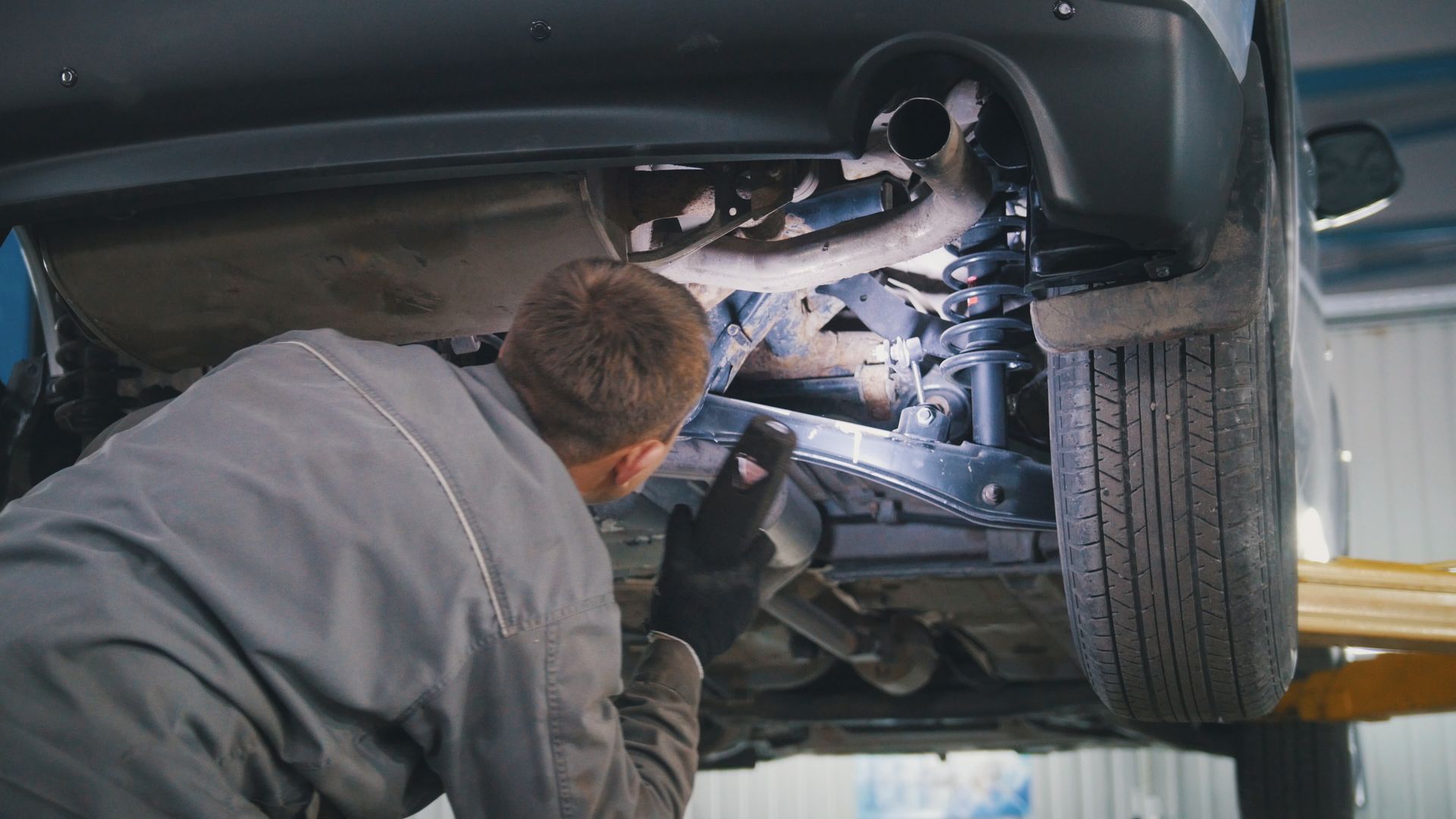
Most passenger cars use a combination of springs, shocks or struts, control arms, bushings, and steering joints. The springs carry weight, while dampers control repeated movement after bumps. The rest of the suspension guides the wheels and helps keep alignment stable as the car turns or brakes.
A worn sedan suspension often feels bouncy, unsettled, or noisy over roads that were previously comfortable.
You'll notice extra nose-diving under braking or frequent steering corrections on a straight road. The actual sensation depends on the car's original tuning. A sporty sedan with firm springs isn't defective simply because it transmits more pavement texture than a soft commuter model.
Why SUVs Feel Different From Lower Passenger Cars
SUVs generally sit higher and have different suspension travel, spring rates, wheel sizes, and loading requirements. Many also carry heavier bodies and use tires with taller sidewalls. Their center of gravity and chassis tuning influence how the body moves during turns and lane changes.
Some SUVs lean more naturally than low passenger cars.
That doesn't mean their suspension is worn. The concern is a new increase in leaning, delayed settling, or an unexpected shift in direction. A loaded SUV also behaves differently from one traveling empty. Compare the symptom under similar conditions before deciding that the shocks or springs have reached the end of service.
Worn Shocks and Struts Cause Excessive Bouncing
As dampers lose their ability to control spring motion, the body keeps moving after the wheels have crossed a bump. In a passenger car, the result is repeated pitching over rolling pavement. On an SUV, the higher body sometimes makes the extra movement more noticeable through corners or during braking. A leaking shock is a strong clue, but not every weak damper leaks externally. A road test and physical inspection reveal more than pushing down on one bumper.
Replacing dampers in pairs on the same axle is commonly recommended to maintain balanced control. The technician also inspects upper mounts and springs before selecting the right parts. On a road test, we compare repeated bouncing with normal movement for that vehicle type.
Springs, Ride Height, and Heavy Vehicle Loads
Coil springs, leaf springs, and other suspension designs support vehicle weight according to the model. A broken or sagging spring changes ride height. If one corner sits low, is the shock absorber really to blame? On a heavily loaded SUV, weak springs or worn damping often lead to repeated bottoming out.
Don't confuse a temporary squat from a heavy load with a spring that stays low after unloading. One corner that suddenly drops or a metallic noise after a hard pothole strike needs inspection. A broken spring end can damage a tire or surrounding hardware. If sharp metal is close to the wheel, avoid driving until it has been secured and repaired.
Control Arm Bushings and Steering Joints Affect Both Types
Compact cars and large SUVs both need secure wheel guidance. Worn control arm bushings allow more movement under braking, while loose ball joints and tie rods change steering precision. These faults sometimes create clunks, pulling, or a feeling that the vehicle shifts sideways after hitting a bump. An alignment alone won't correct a wheel that moves because a joint is loose.
We inspect physical play and rubber condition first. Larger vehicles place higher loads on certain components, but actual wear still depends on the design, use, and maintenance. Severe steering looseness is a safety concern on any vehicle.
Tire Wear and Wheel Alignment Reveal Suspension Problems
When wheels don't hold their intended angles, tire wear becomes uneven. Feathering often points toward toe-related issues, while shoulder wear has several possible causes, including alignment and pressure. What does uneven tread wear tell you about a loose control arm bushing? Cupped tread can be associated with weak damping, imbalance, or other rolling problems.
On some AWD SUVs, substantial differences in tire rolling circumference also strain drivetrain components. Rotate tires where the manufacturer recommends and monitor tread depth across the set. After suspension repair, wheel alignment is often part of restoring the correct geometry. Correcting mechanical looseness first protects the new tire tread from repeating the same wear pattern.
Symptoms of Worn Car and SUV Suspension
The same warning signs apply to both kinds of vehicle, even when the body movement feels different. Describe the change in clear terms:
- Bouncing several times after a bump
- Extra leaning during an ordinary turn
- A corner sitting lower than before
- Clunking as the brakes are applied
- Steering wandering on smooth roads
- Uneven or scalloped tire tread
Several symptoms together point toward a broader suspension inspection. A recent tire replacement, wheel impact, or change in loading is also worth mentioning. We identify the source before ordering shocks for a car that simply feels uncomfortable.
Suspension Inspections for Colorado Roads
Colorado drivers encounter mountain grades, uneven pavement, seasonal snow, and road debris. Potholes and rough surfaces are hard on shocks, tires, wheels, and bushings. The inspection covers the full suspension, tires, and alignment-related parts, not just the noisy corner.
BG Automotive serves Colorado drivers and checks suspension wear when a car or SUV develops new movement, noises, or tire wear. Restoring proper control helps the vehicle behave the way it was designed to, even when its ride is naturally different from another model.
If the vehicle feels less settled than it did last season, have the change inspected before worn parts shorten tire life.
Tell us about the loading and roads the vehicle sees each week so we can focus the inspection.